Condition focus: Retinal Aging & Mitochondrial Function
This study investigated the effects of 670 nm near-infrared light on aging retinal tissue, with specific attention to mitochondrial function and visual performance. Using aged animal models, researchers exposed retinas to daily 670 nm light treatments and assessed electroretinogram responses, mitochondrial ATP production, and oxidative stress markers. Results demonstrated that 670 nm exposure significantly improved retinal function in aged animals, with improvements directly correlated to restored mitochondrial activity and increased ATP synthesis.
The findings establish that age-related functional decline in the retina can be partially reversed through wavelength-specific mitochondrial support, providing mechanistic evidence that links photobiomodulation to measurable improvements in visual system performance during aging.
WaveFront Alignment:
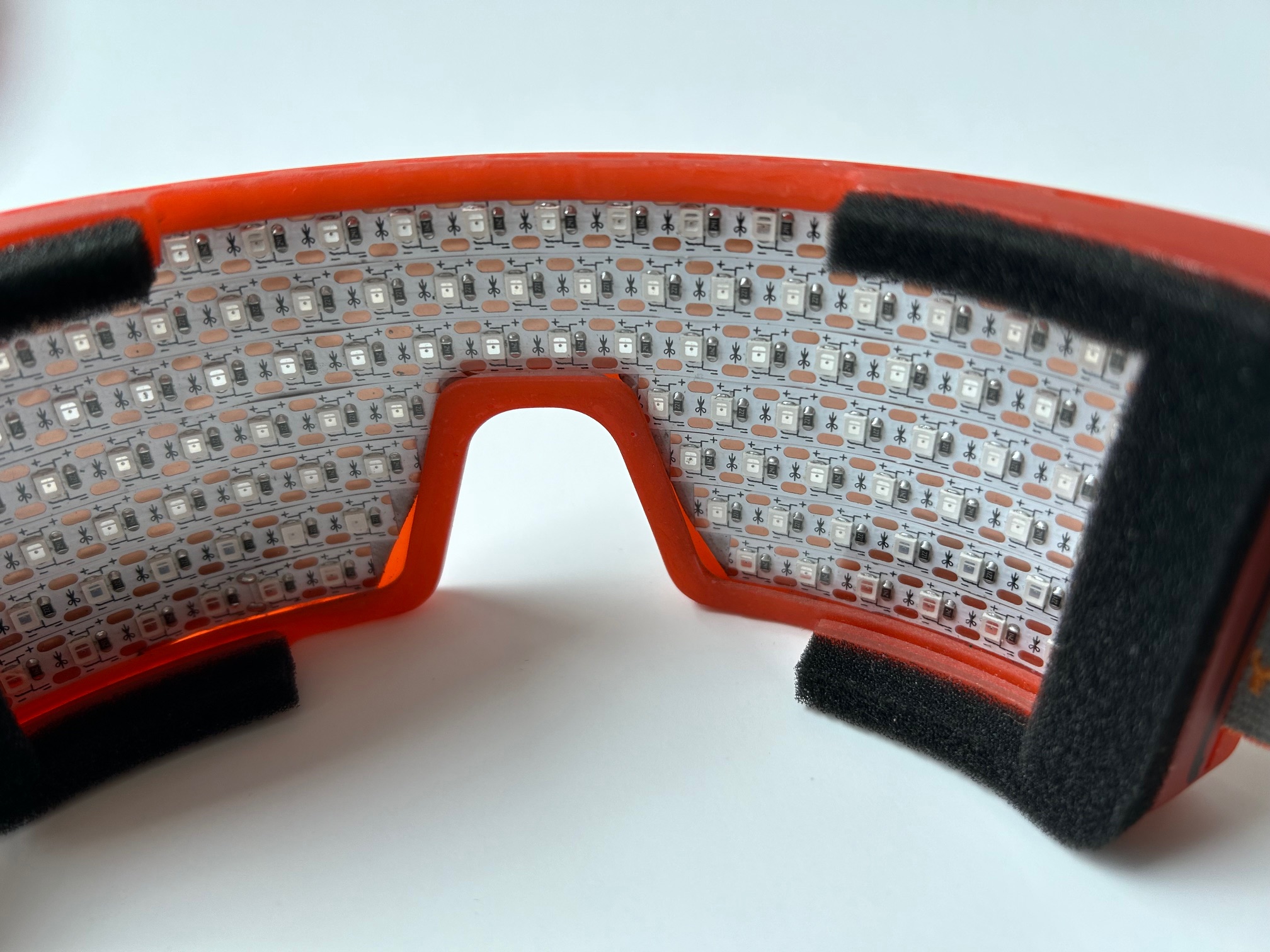
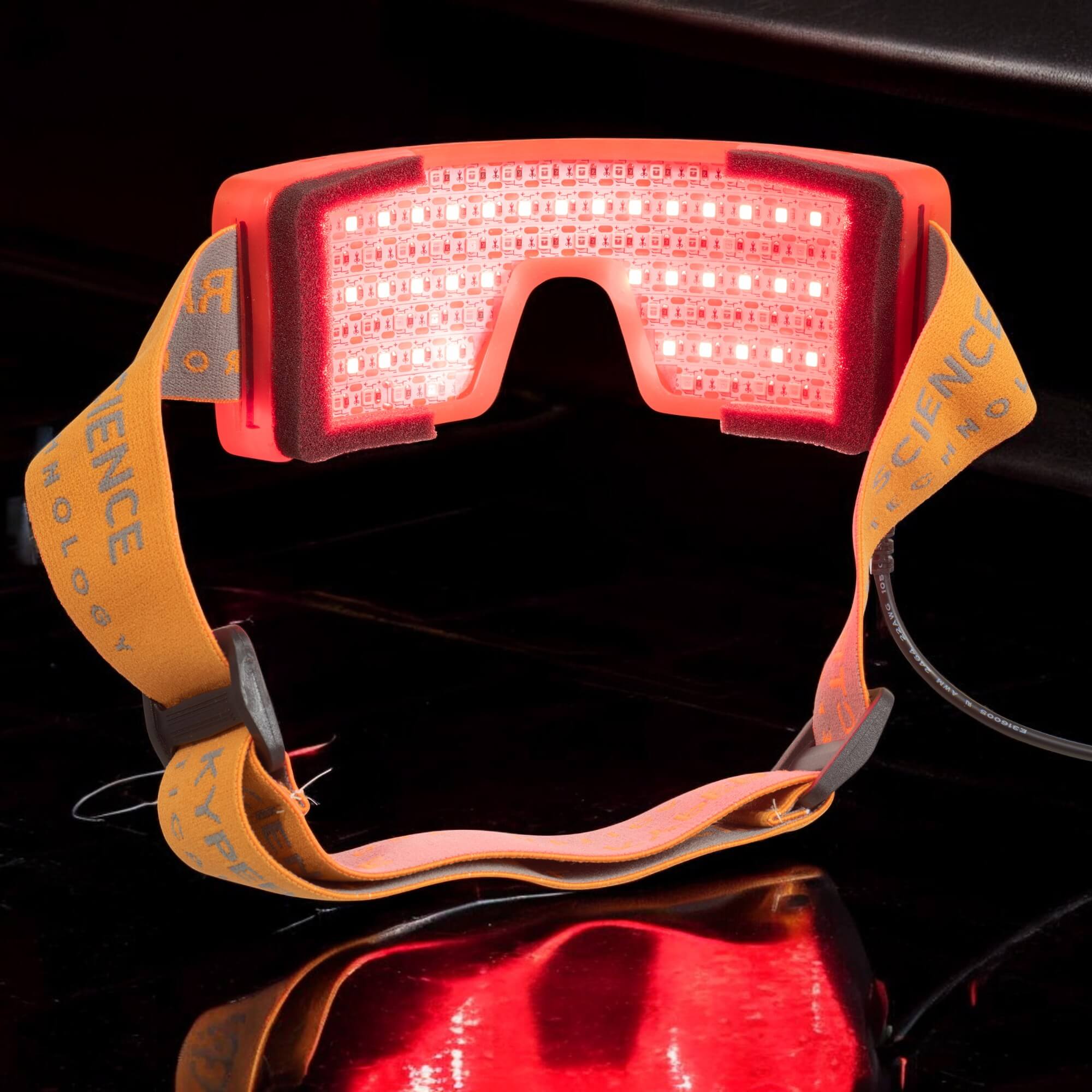
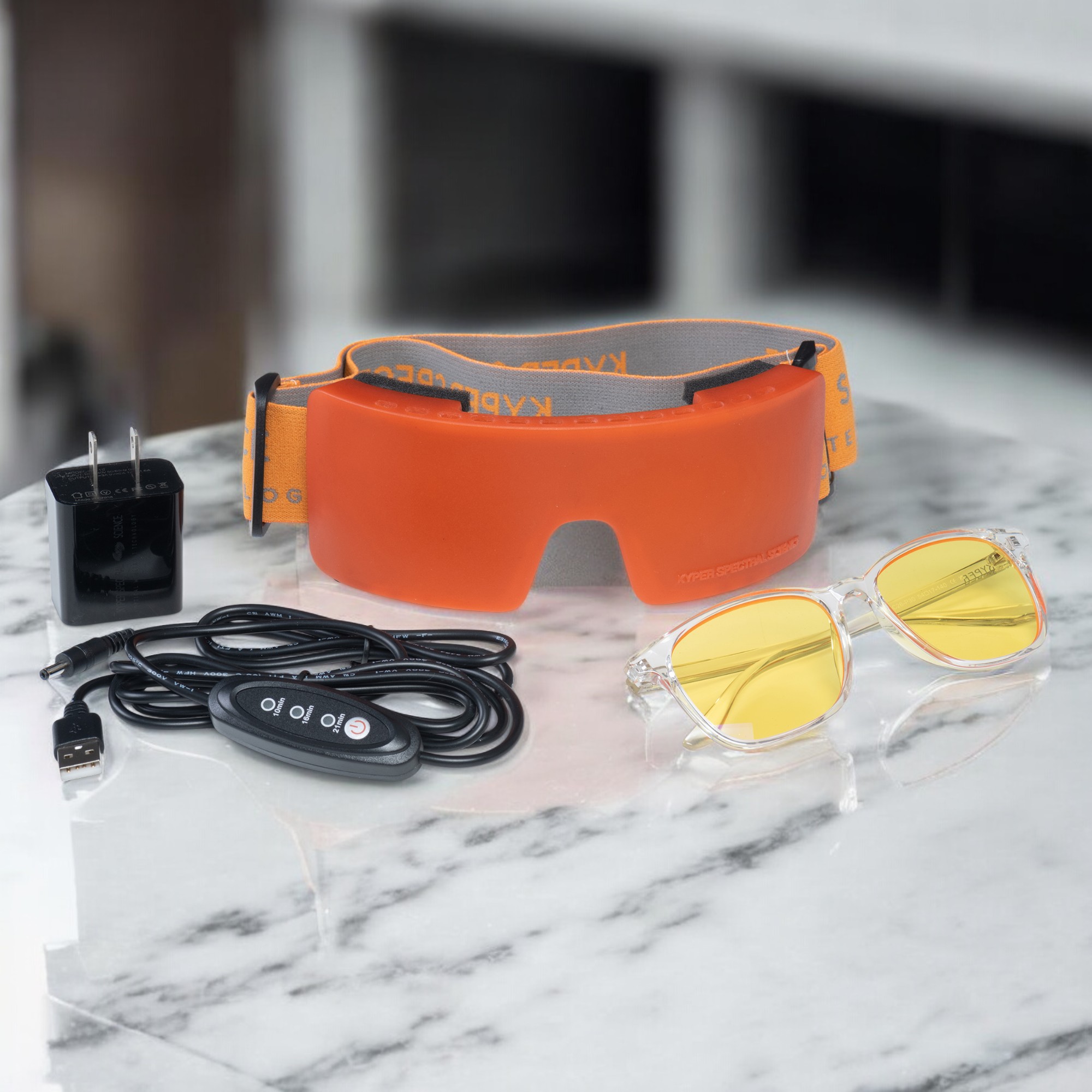
Sivapathasuntharam’s demonstration of 670 nm efficacy in aging retina directly validates the Spectral WaveFront’s inclusion of this wavelength. The observed correction of mitochondrial decline and functional improvement align precisely with WaveFront’s design rationale for supporting aging visual systems through non-thermal metabolic intervention.
Link to original research here
Editor’s note: Sivapathasuntharam 2017 demonstrates functional improvements in aging retina through mitochondrial correction with 670 nm light. For ATP restoration mechanisms, see Gkotsi 2014. Human translation of these findings appears in rod function improvements shown in Grewal 2020. For mitochondrial photostimulation mechanisms, see Beirne 2017. Wavelength-specific contrast sensitivity effects are detailed in Shinhmar 2021.
Related Articles
- Recharging Mitochondrial Batteries in Old Eyes – Gkotsi 2014
- Evaluating 670 nm PBM in Healthy Aging and AMD – Grewal 2020
- Photostimulation of Mitochondria for Retinal Neurodegeneration – Beirne 2017
- Single 670nm Exposure: Contrast Sensitivity Improvements – Shinhmar 2021
- Age-Related Inflammation Reduced by 670 nm – Kokkinopoulos 2013
Key Takeaways
- 670 nm near-infrared light improved retinal function in aged animal models
- Functional improvements directly correlated with restored mitochondrial ATP production
- Age-related retinal decline can be partially reversed through wavelength-specific intervention
- Mechanistic link established between photobiomodulation and measurable visual system performance
Study Overview
| Study Type: | Animal model (aged retina) |
| Wavelength(s): | 670 nm |
| Treatment Protocol: | Daily 670 nm exposure in aging models |
| Sample Size: | Aged animal models |
| Primary Outcome: | Improved retinal function via corrected mitochondrial decline and ATP restoration |
Full Citation
Sivapathasuntharam C, et al. (2017). Aging retinal function is improved by near infrared light (670 nm) that is associated with corrected mitochondrial decline. Neurobiology of Aging, 52:66-70. View Publication