Condition focus: Dry Eye Disease & Meibomian Gland Dysfunction (MGD)
This study evaluated intense pulsed light therapy for dry eye syndrome caused by meibomian gland dysfunction and ocular rosacea. Primary outcomes included change in tear breakup time, self-reported patient satisfaction, and adverse events. Seventy-eight patients received IPL treatment with an average of seven treatment visits and four maintenance visits. Physician-judged improvement in dry eye tear breakup time was found for 68 of 78 patients (87%), and 93% of patients reported post-treatment satisfaction with degree of dry eye syndrome symptoms.
Adverse events, most typically redness or swelling, were found for 13% of patients. No serious adverse events were found. Although preliminary, study results of intense-pulsed-light therapy treatment for dry eye syndrome caused by meibomian gland dysfunction are promising.
WaveFront Alignment:
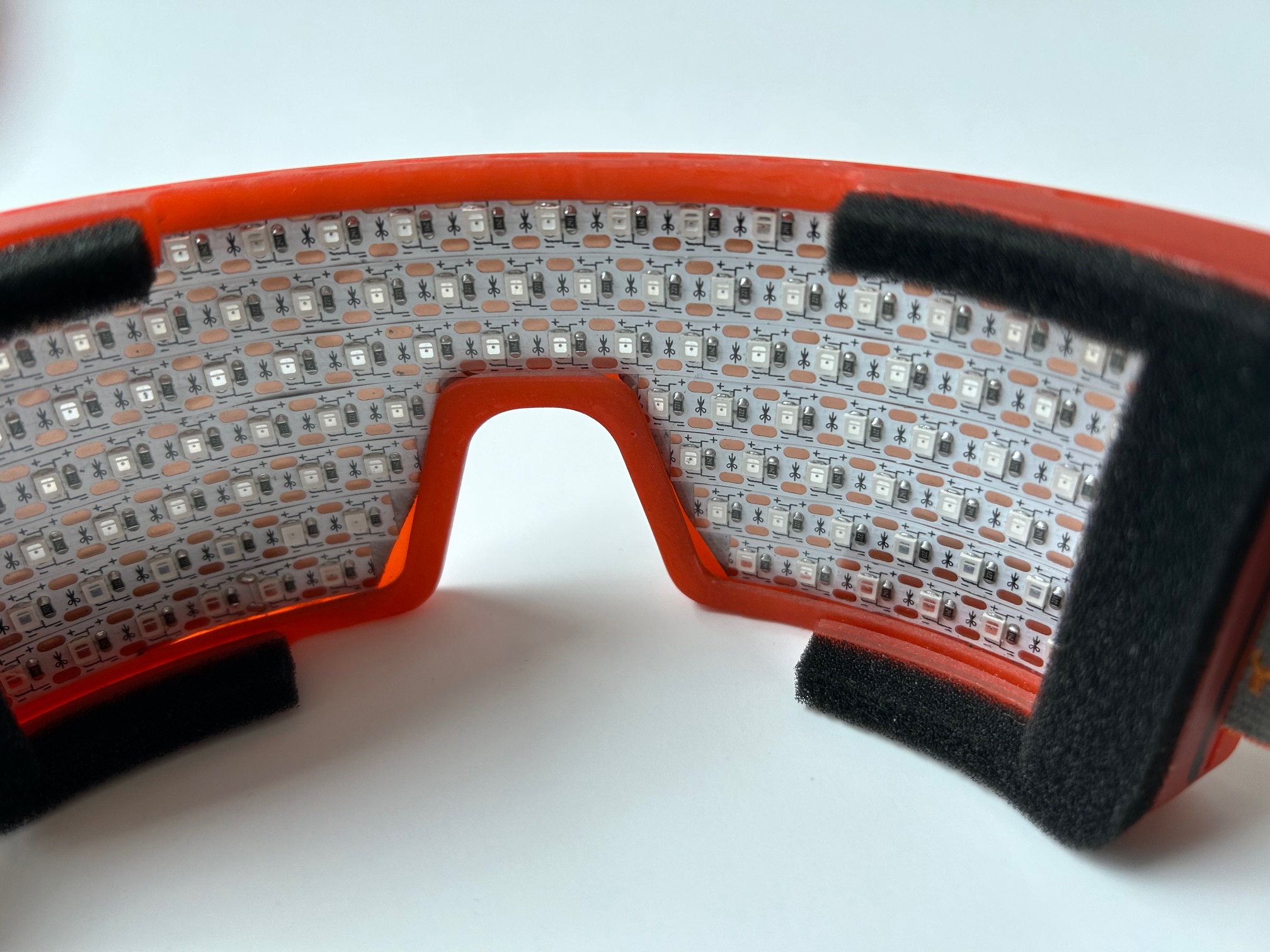
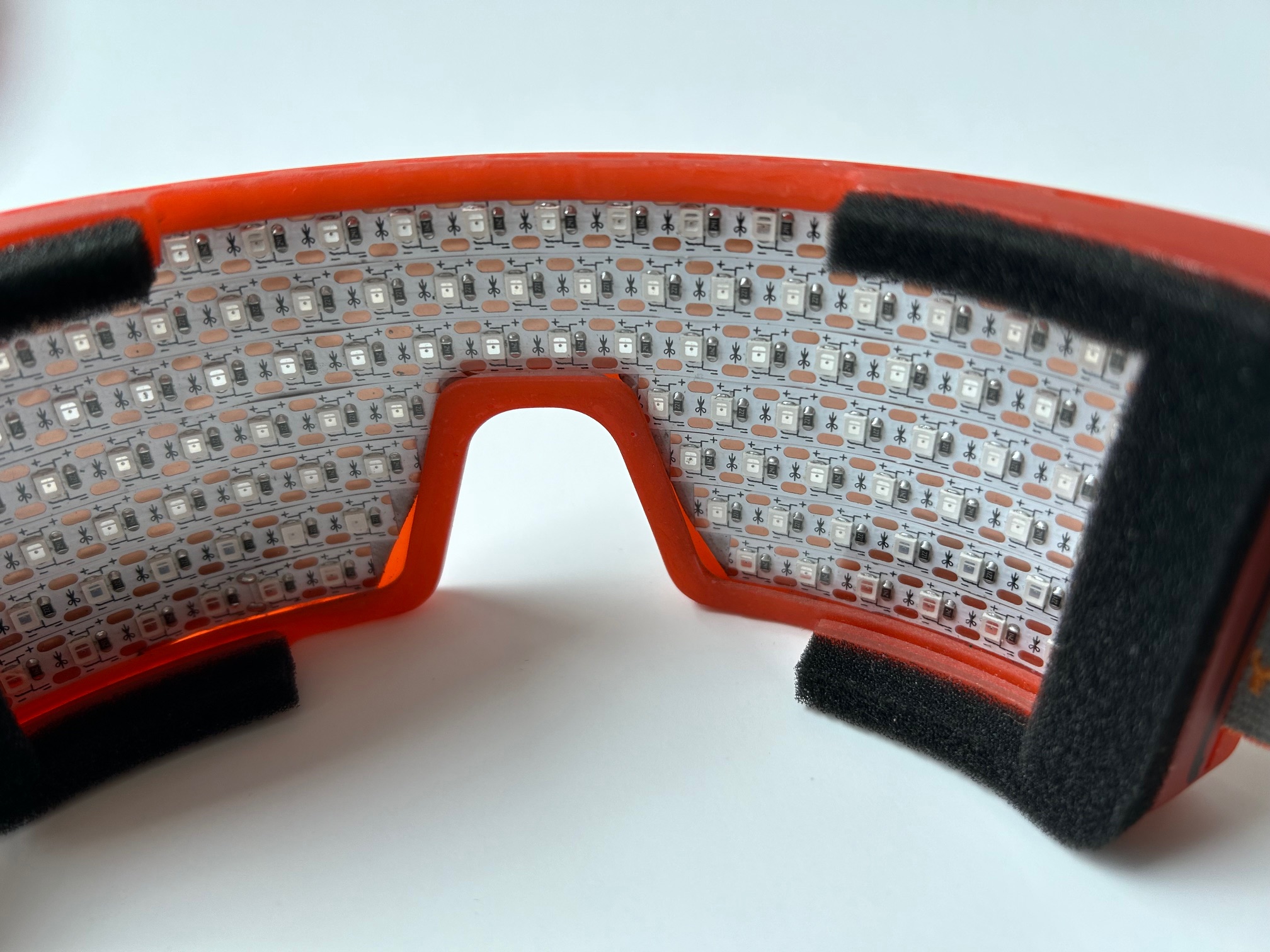
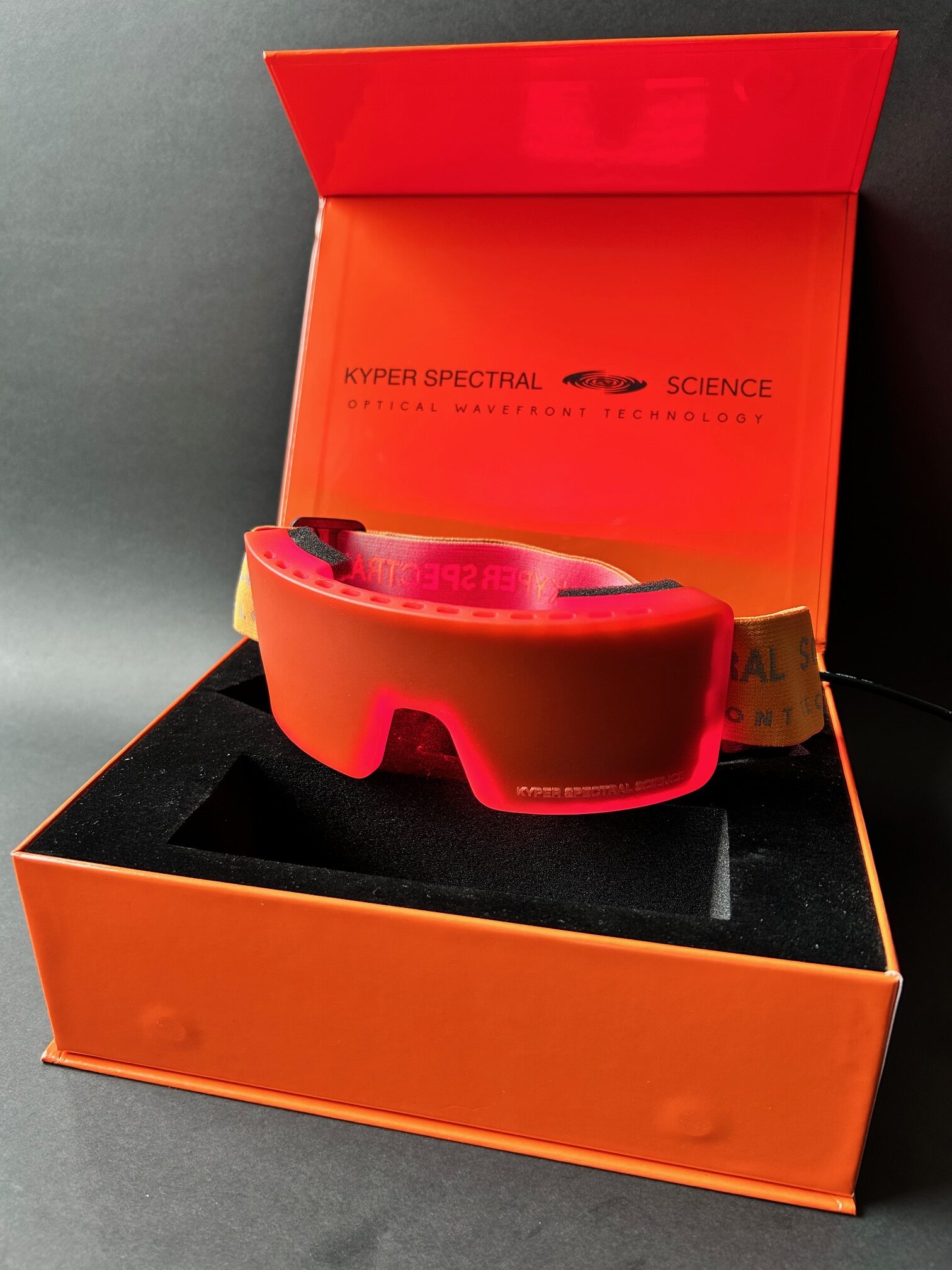
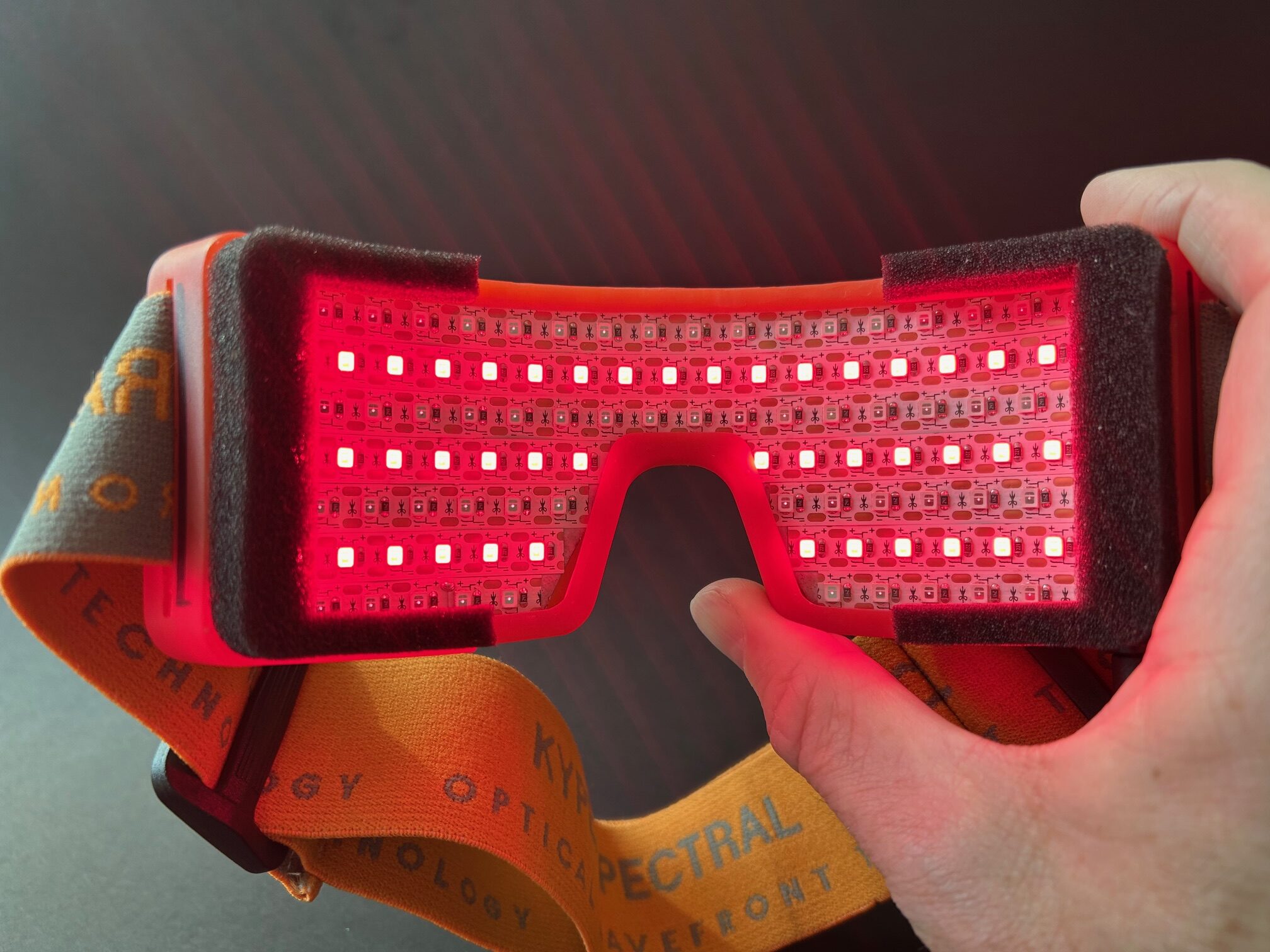
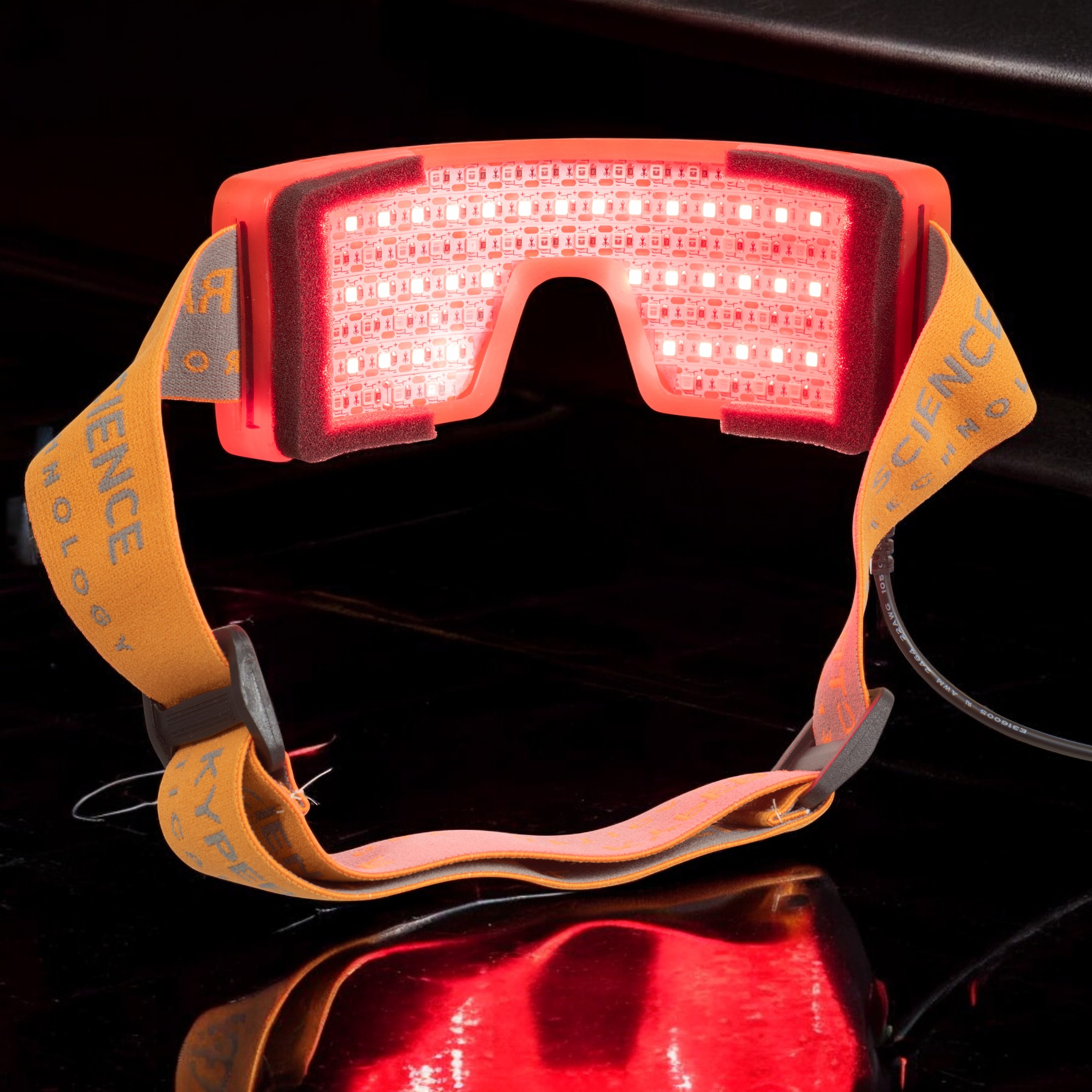
While IPL protocols differ from PBM, this study supports the broader rationale for light-based approaches to MGD. The Spectral WaveFront uses 670 nm and 810 nm in an ocular-specific geometry designed to support mitochondrial and inflammatory pathways relevant to eyelid and ocular-surface physiology.
Link to original research here
Editor’s note: For PBM wavelengths relevant to eyelid and ocular surface metabolism, see our WaveFront Evidence Alignment. Complementary human data on PBM safety and tear-film improvement are reported in Park 2022 and Antwi 2024. IPL as a rescue therapy for refractory MGD is discussed in Solomos 2021, while a systematic IPL review appears in Shergill 2024.
Related Articles
- Review: Intense Pulse Light Treatment of Ocular Rosacea – Shergill 2024
- MGD: PBM and IPL Therapy as Rescue Treatment – Solomos 2021
- PBM Low-Level Light Therapy in Patients with Dry Eye – Park 2022
- Low-Level Light Therapy in Individuals with Dry Eye Disease – Antwi 2024
- Heat Therapy for Meibomian Gland Dysfunction – Borchman 2019
Key Takeaways
- IPL therapy improved tear breakup time in 87% of patients with MGD-related dry eye
- 93% of patients reported satisfaction with symptom improvement following treatment
- Adverse events were mild (redness, swelling) and occurred in 13% of patients with no serious events
- Results support light-based therapies as a promising approach for MGD and ocular rosacea
Study Overview
| Study Type: | Clinical case series |
| Wavelength(s): | Intense pulsed light (broad spectrum) |
| Treatment Protocol: | Median 7 treatment visits, 4 maintenance visits |
| Sample Size: | N=78 patients |
| Primary Outcome: | 87% improvement in tear breakup time; 93% patient satisfaction |
Full Citation
Toyos R, McGill W, Briscoe D. (2015). Intense pulsed light treatment for dry eye disease due to meibomian gland dysfunction; a 3-year retrospective study. Photomedicine and Laser Surgery, 33(1):41-46. View Publication