Condition focus: Retinal Aging, Inflammation & Mitochondrial Function
This study investigated the relationship between 670 nm light exposure, mitochondrial membrane potential, and inflammatory markers in aging retinal tissue. Using aged animal models, researchers demonstrated that 670 nm light significantly increased mitochondrial membrane potential in retinal cells while simultaneously reducing age-related inflammatory markers including complement activation and pro-inflammatory cytokines. The findings establish a direct mechanistic link between photobiomodulation-induced mitochondrial enhancement and anti-inflammatory effects in aging retina.
By improving mitochondrial membrane potential, 670 nm light restores cellular bioenergetics and reduces the chronic low-grade inflammation that characterizes retinal aging. This dual mechanism—metabolic support coupled with inflammation reduction—provides a compelling rationale for PBM interventions targeting age-related retinal degeneration.
WaveFront Alignment:
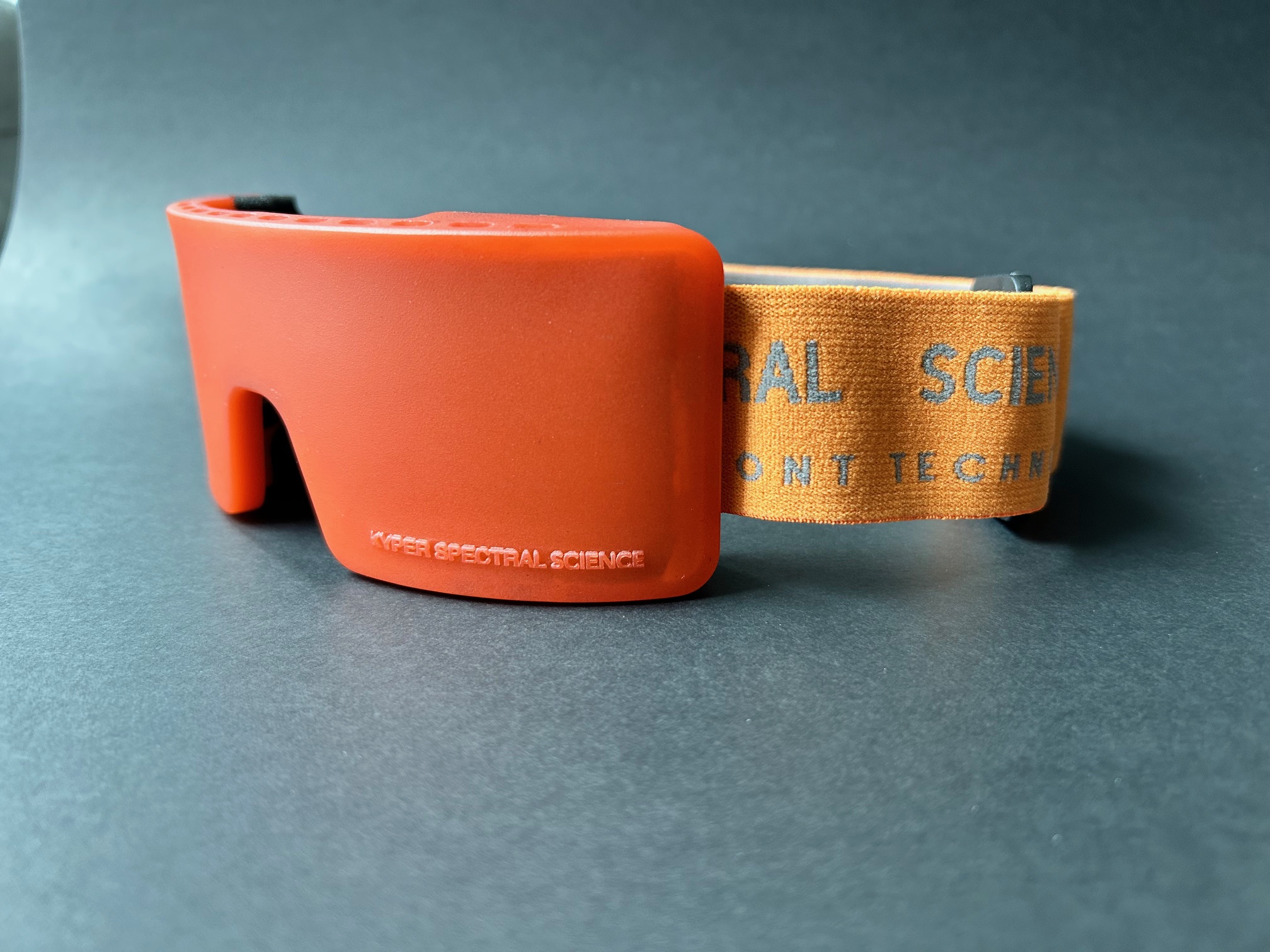
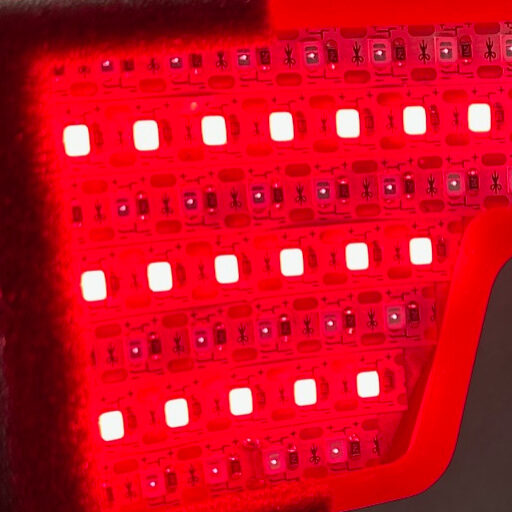
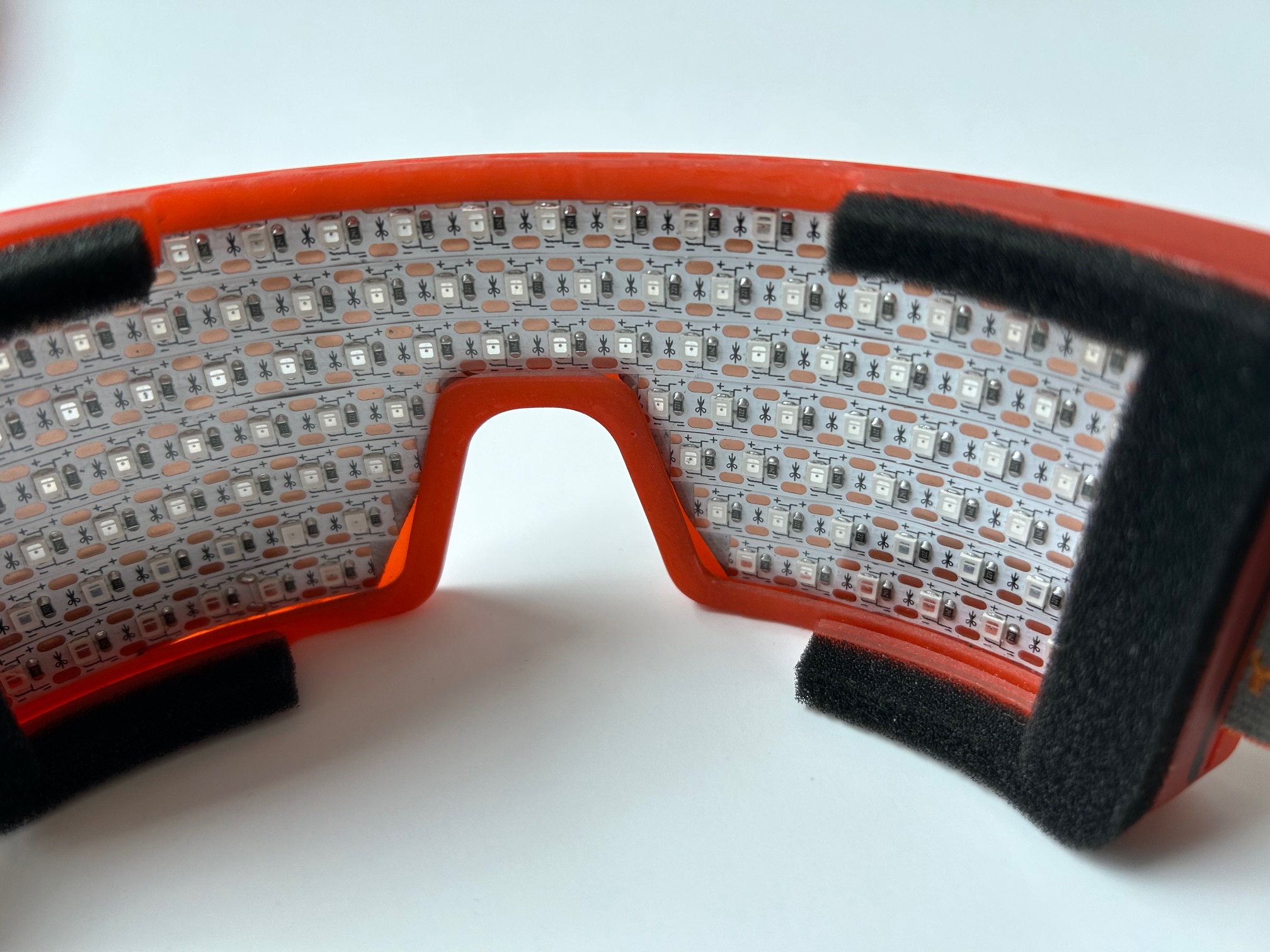
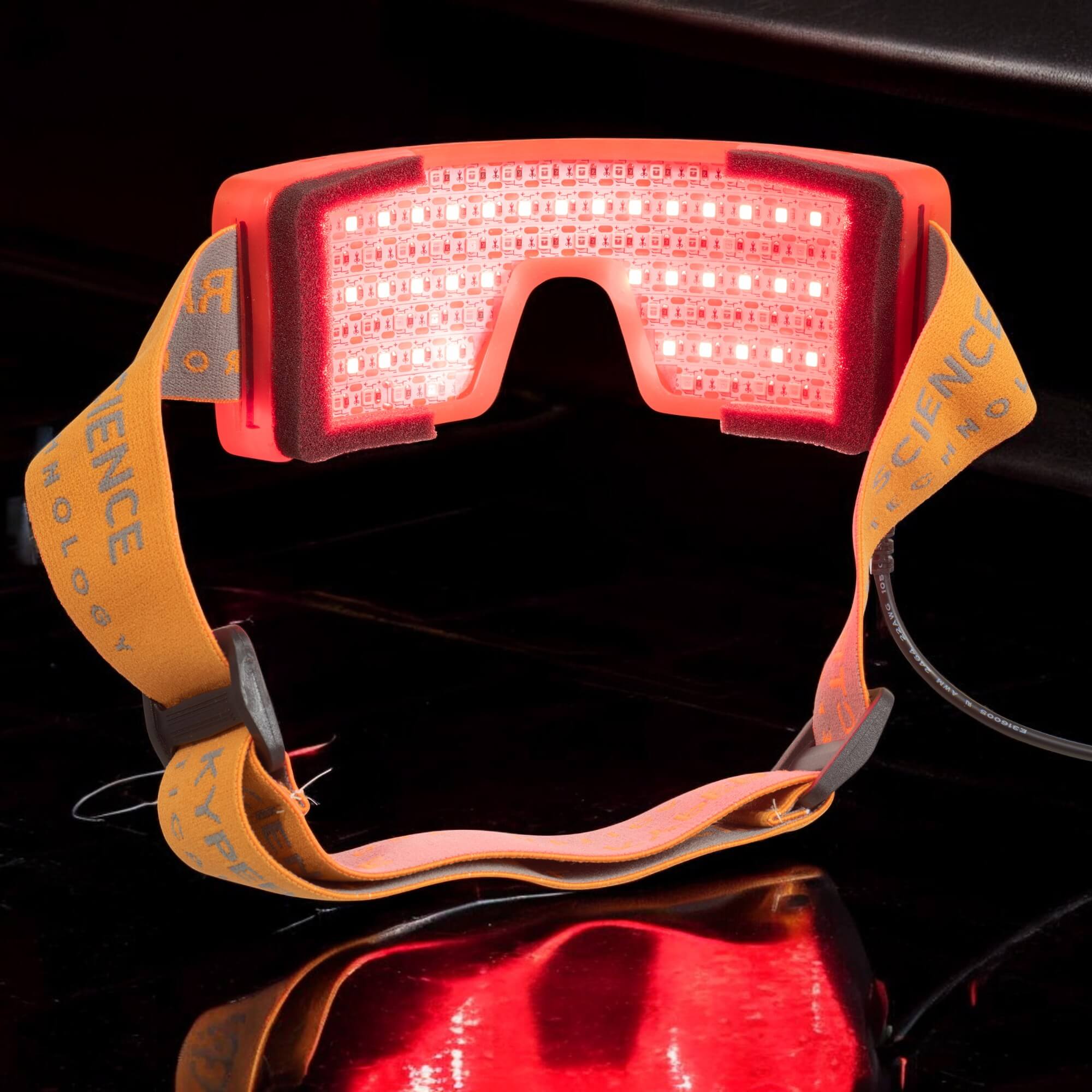
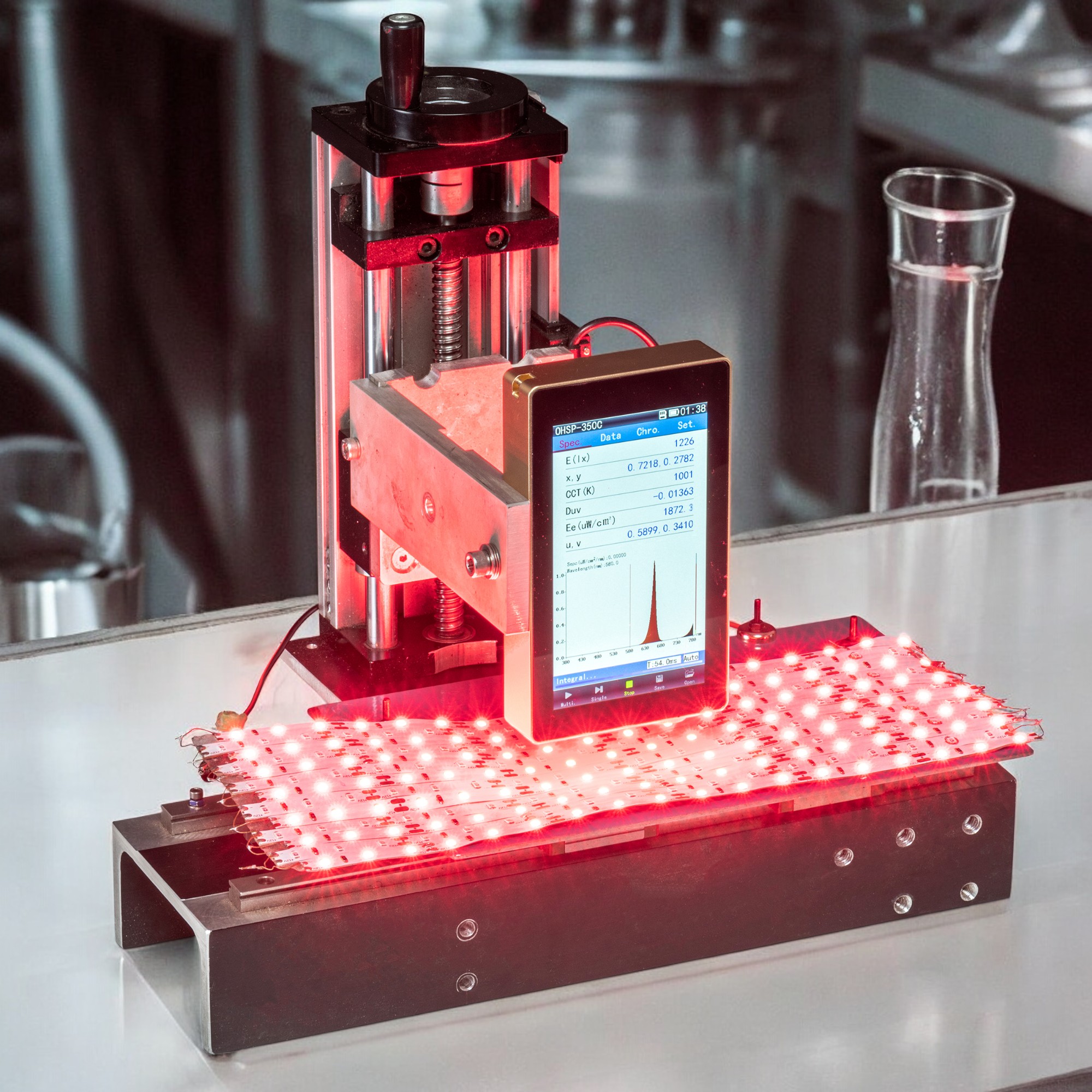
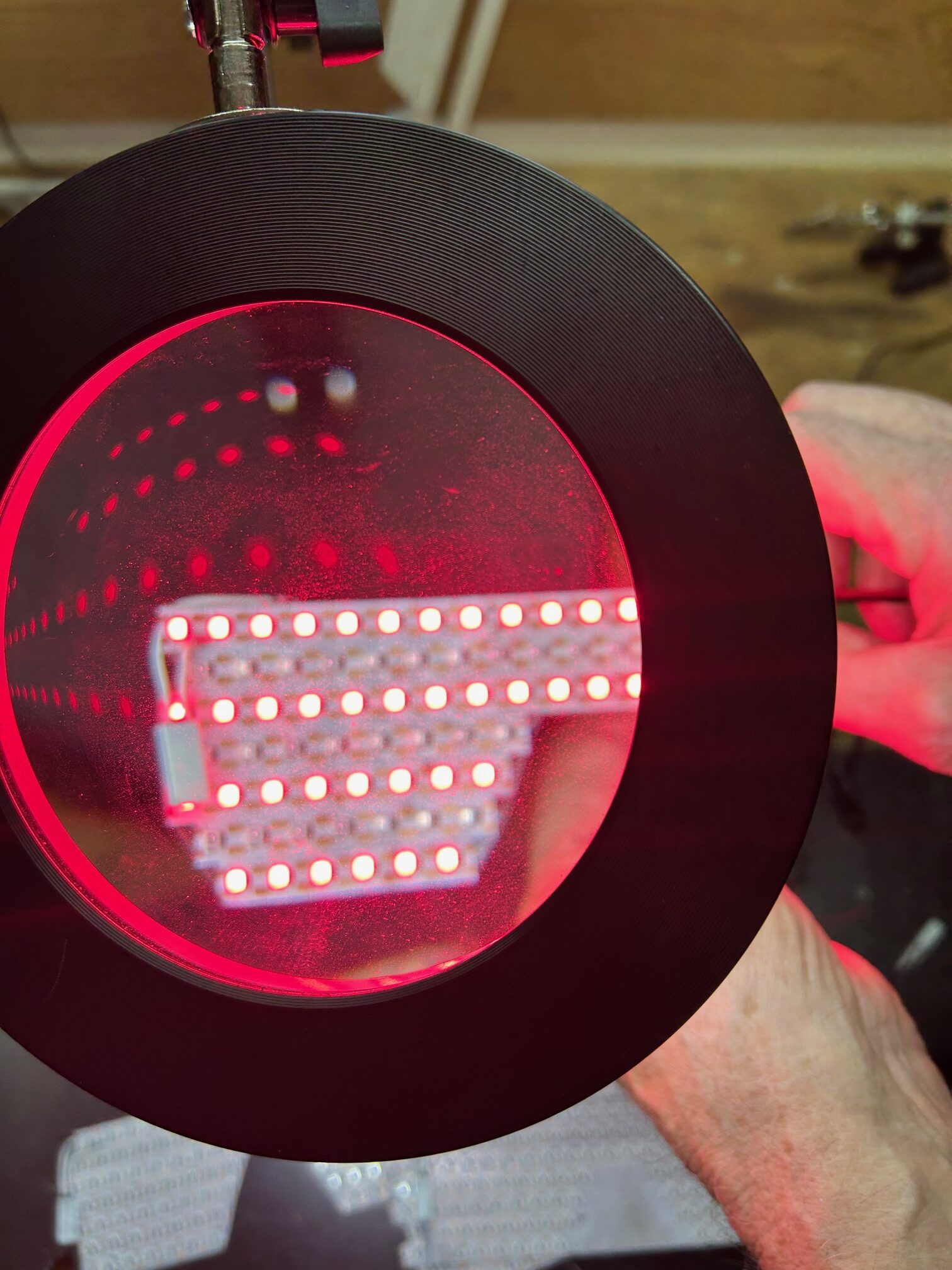
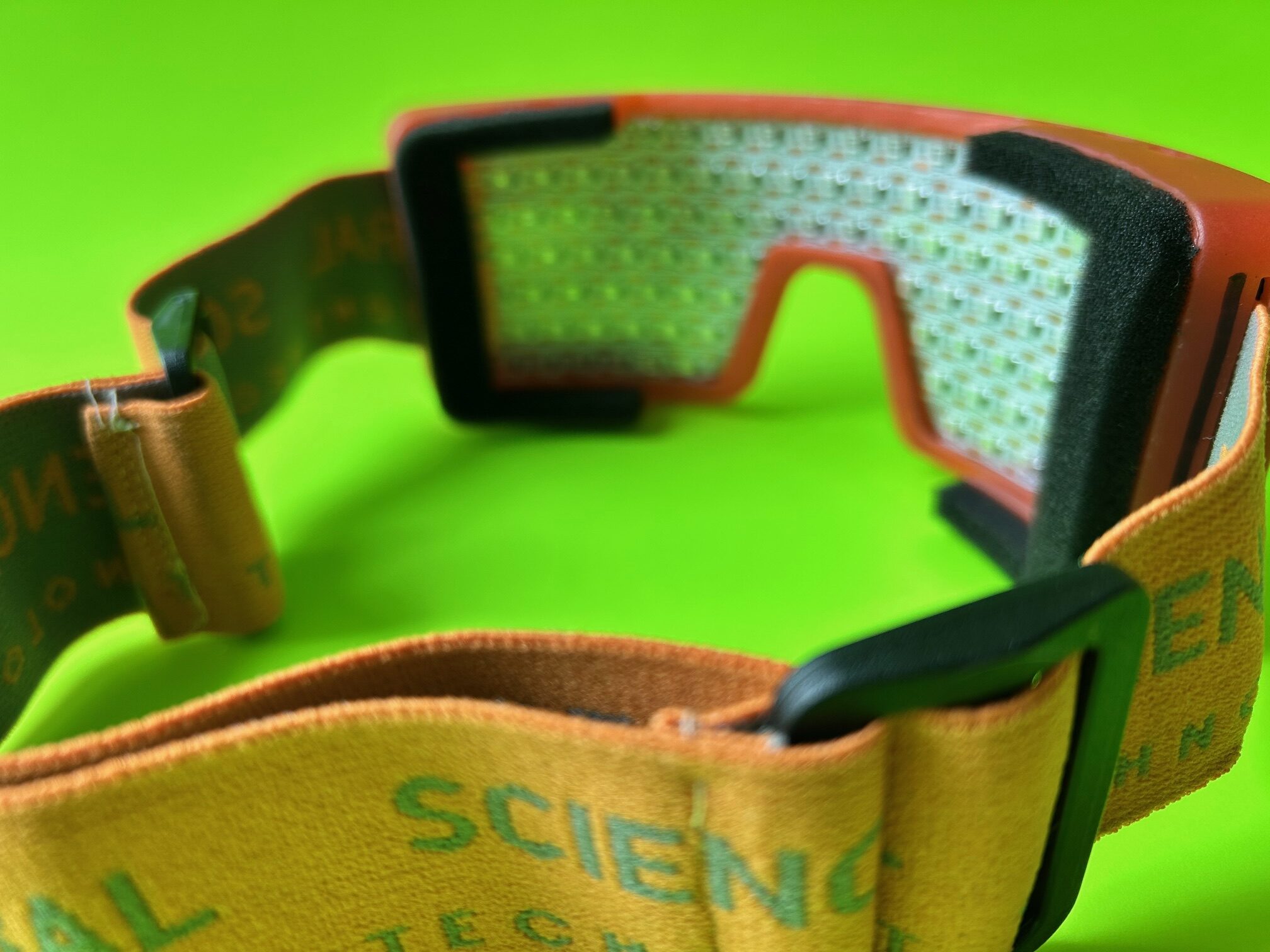
Kokkinopoulos’ demonstration of 670 nm effects on mitochondrial membrane potential and inflammation directly validates the Spectral WaveFront’s 670 nm wavelength inclusion. The dual metabolic and anti-inflammatory benefits align with WaveFront’s design targeting both bioenergetic support and oxidative stress reduction in aging retinal tissue.
Link to original research here
Editor’s note: Kokkinopoulos 2013 establishes the mechanistic link between 670 nm light, mitochondrial membrane potential, and inflammation reduction. For cytochrome c oxidase upregulation and inflammation in AMD, see Begum 2013. ATP restoration in aging retina is quantified in Gkotsi 2014. Functional translation to aging visual performance is shown in Sivapathasuntharam 2017. Complement pathway reduction with 670 nm is detailed in Rutar 2012.
Related Articles
- 670nm Light Reduces Inflammation via Cytochrome c Oxidase – Begum 2013
- Recharging Mitochondrial Batteries in Old Eyes – Gkotsi 2014
- Aging Retinal Function Improved by 670 nm NIR – Sivapathasuntharam 2017
- 670 nm Reduces Complement Propagation in Retinal Degeneration – Rutar 2012
- Photostimulation of Mitochondria for Retinal Neurodegeneration – Beirne 2017
Key Takeaways
- 670 nm light increased mitochondrial membrane potential in aging retinal tissue
- Age-related inflammatory markers significantly reduced following 670 nm exposure
- Mechanistic link established between mitochondrial enhancement and anti-inflammatory effects
- Dual mechanism of metabolic support and inflammation reduction supports PBM rationale in aging retina
Study Overview
| Study Type: | Animal model (mechanistic) |
| Wavelength(s): | 670 nm |
| Treatment Protocol: | 670 nm exposure in aged retinal models |
| Sample Size: | Aged animal models |
| Primary Outcome: | Increased mitochondrial membrane potential; reduced age-related inflammation |
Full Citation
Kokkinopoulos I, et al. (2013). Age-related retinal inflammation is reduced by 670 nm light via increased mitochondrial membrane potential. Neurobiology of Aging, 34(2):602-609. View Publication