Condition focus: Retinal Degeneration & Treatment Timing
While 670 nm photobiomodulation has demonstrated neuroprotective effects in retinal degeneration models, optimal treatment timing and efficacy across different stages of disease progression remain unclear. This study systematically evaluated how damage severity influences 670 nm treatment outcomes in light-induced retinal degeneration models. Rats received varying intensities of damaging light exposure to create mild, moderate, and severe retinal injury, then underwent 670 nm LED treatment with functional and structural outcomes assessed.
Results revealed a critical relationship between damage severity and treatment efficacy. In mild to moderate retinal damage, 670 nm treatment produced significant photoreceptor preservation and functional rescue as measured by electroretinography and histology. However, in severely damaged retinas with extensive photoreceptor loss, protective effects were substantially diminished. The findings indicate a therapeutic window where 670 nm photobiomodulation is most effective, suggesting early intervention provides superior outcomes. This dose-response relationship has important clinical implications, indicating that photobiomodulation may be most beneficial as preventive or early-stage intervention rather than rescue therapy in advanced degeneration.
WaveFront Alignment:
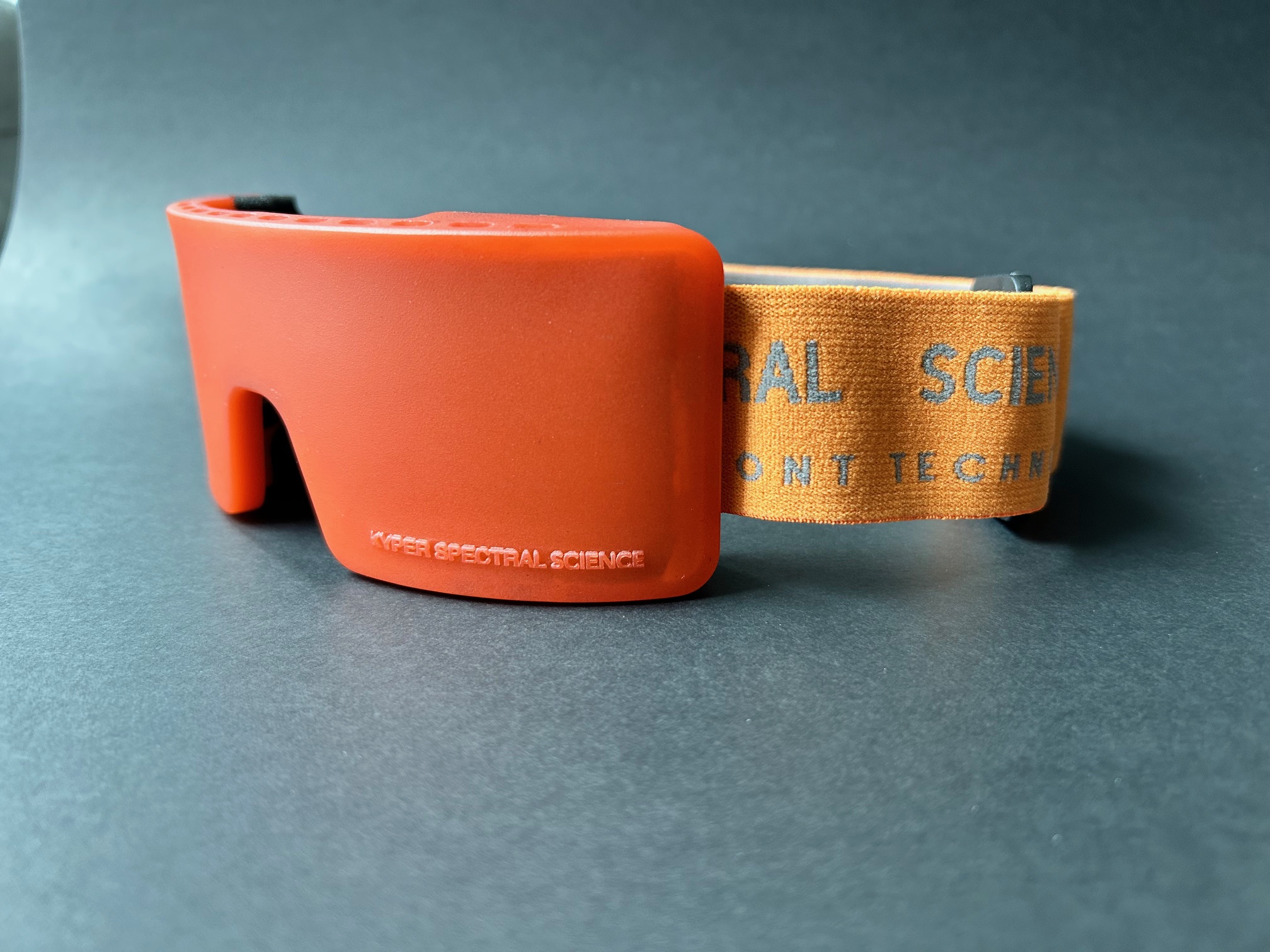
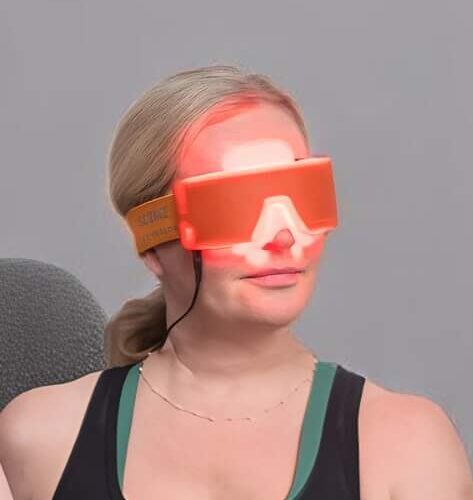
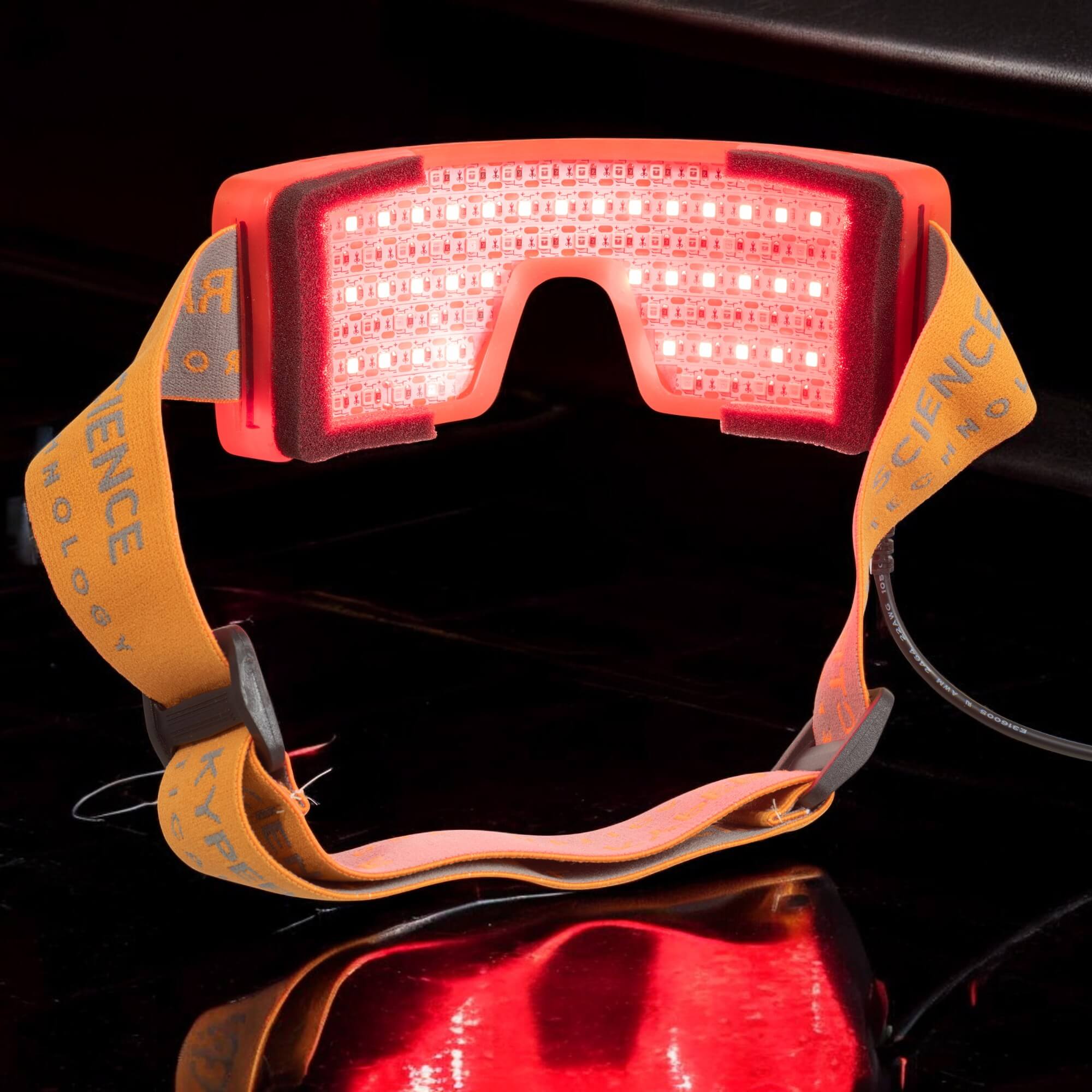
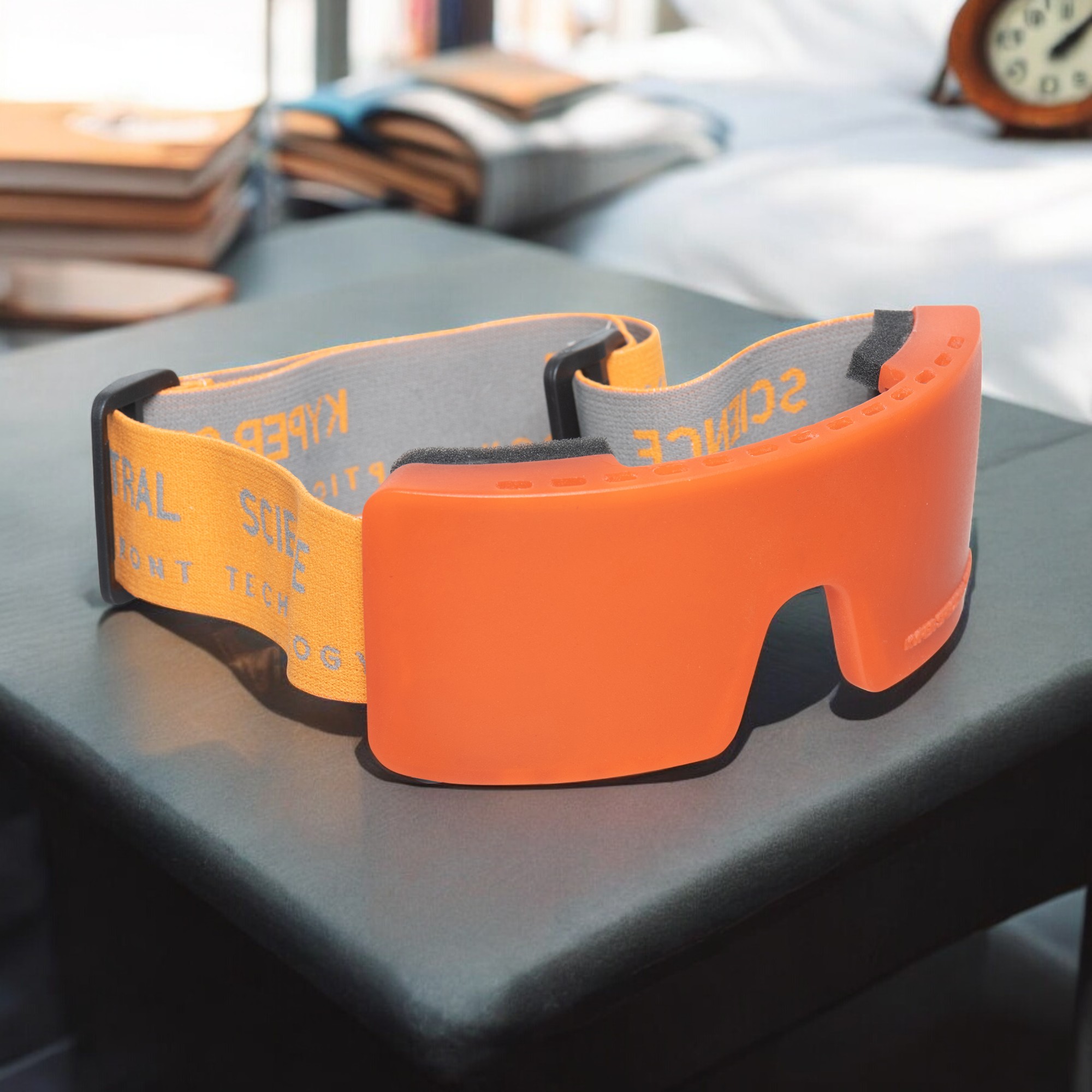
Chu-Tan’s demonstration that 670 nm efficacy depends on damage severity supports the Spectral WaveFront’s positioning for early intervention and preventive applications, highlighting the importance of treatment timing in optimizing photobiomodulation outcomes for retinal conditions.
Read full article here
Editor’s note: Chu-Tan 2016 establishes damage-severity dependent efficacy for 670 nm treatment. For related photoreceptor protection studies, see Albarracin 2011 and Albarracin 2012. Wavelength optimization appears in Giacci 2014. Broader retinal degeneration context in Rutar 2012 and Gopalakrishnan 2012.
Related Articles
- PBM Protects Photoreceptors from Light-Induced Degeneration – Albarracin 2011
- Treatment with 670 nm Light Protects Cone Photoreceptors – Albarracin 2012
- 670nm vs 830nm: Comparative Neuroprotection – Giacci 2014
- 670 nm Light Reduces Complement Propagation – Rutar 2012
- Photobiomodulation in Inherited Retinal Degeneration – Gopalakrishnan 2012
Key Takeaways
- 670 nm efficacy directly correlated with damage severity: high protection in mild-moderate injury, limited in severe damage
- Therapeutic window exists where early intervention produces superior photoreceptor preservation
- Electroretinography and histology confirmed dose-response relationship between injury severity and treatment outcomes
- Findings support photobiomodulation as preventive or early-stage intervention rather than late rescue therapy
Study Overview
| Study Type: | Animal model (graded retinal injury) |
| Wavelength(s): | 670 nm (near-infrared) |
| Treatment Protocol: | LED treatment across mild, moderate, and severe damage models |
| Sample Size: | Rat models with varying light-induced injury severity |
| Primary Outcome: | Treatment efficacy inversely related to damage severity; optimal outcomes with early intervention |
Full Citation
Chu-Tan JA, et al. (2016). Efficacy of 670 nm light therapy to protect against photoreceptor cell death is dependent on the severity of damage. Int J Photoenergy, 2016:2734139. View Publication