Condition focus: Age-Related Macular Degeneration (AMD) & Mitochondrial Dysfunction
This foundational study characterized mitochondrial alterations in the retinal pigment epithelium of patients with age-related macular degeneration. Researchers identified significant changes in mitochondrial structure, function, and energy metabolism within RPE cells affected by AMD. The findings demonstrated that mitochondrial decline—including reduced ATP production, compromised oxidative phosphorylation, and increased oxidative stress—plays a central role in AMD pathogenesis. These observations established mitochondrial dysfunction as a key therapeutic target for interventions aimed at slowing or reversing retinal degeneration.
By documenting specific mitochondrial deficits in AMD-affected RPE, this work provided the biological rationale for subsequent photobiomodulation studies targeting cytochrome c oxidase and ATP synthesis pathways in degenerative retinal disease.
WaveFront Alignment:
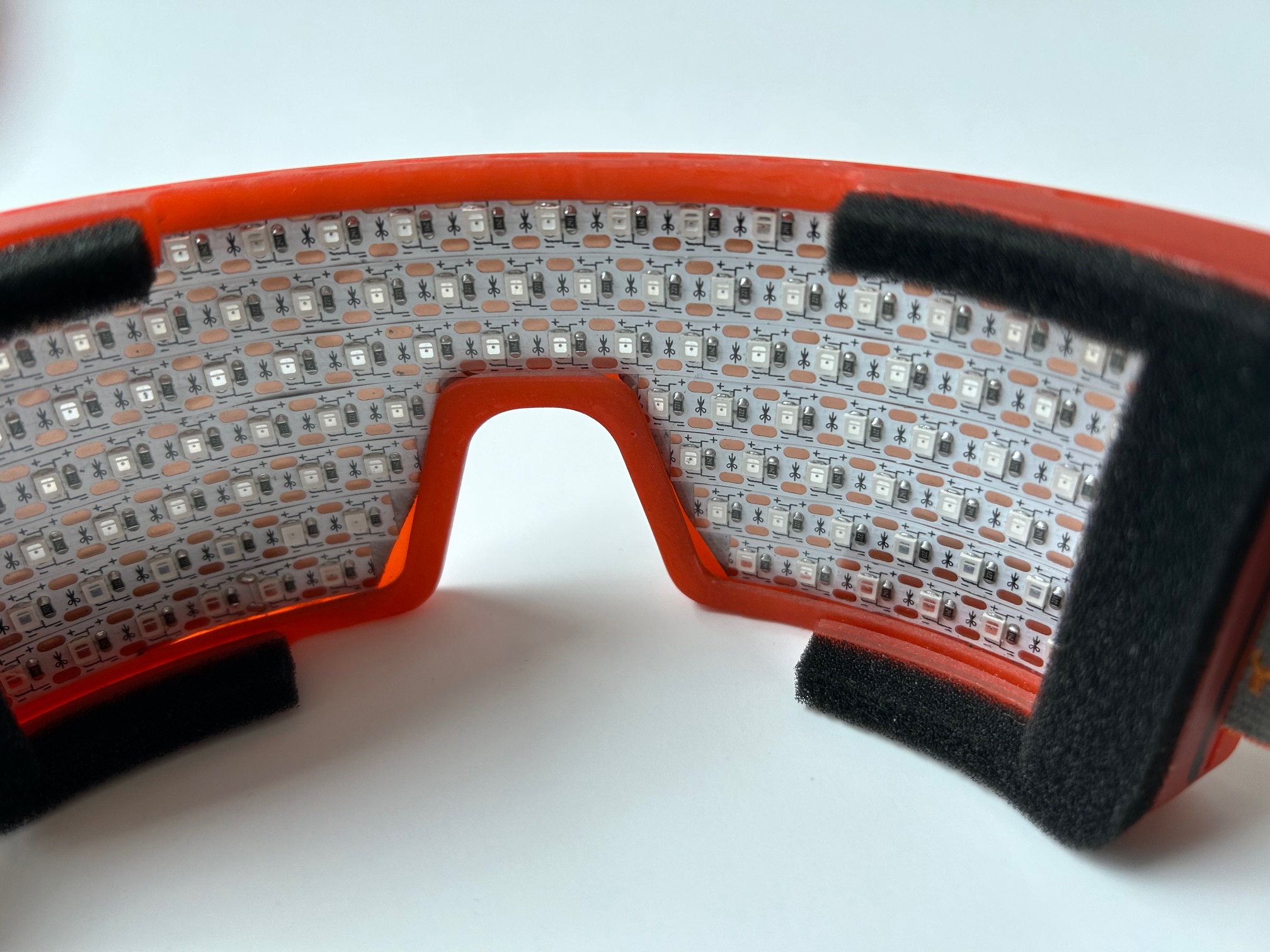
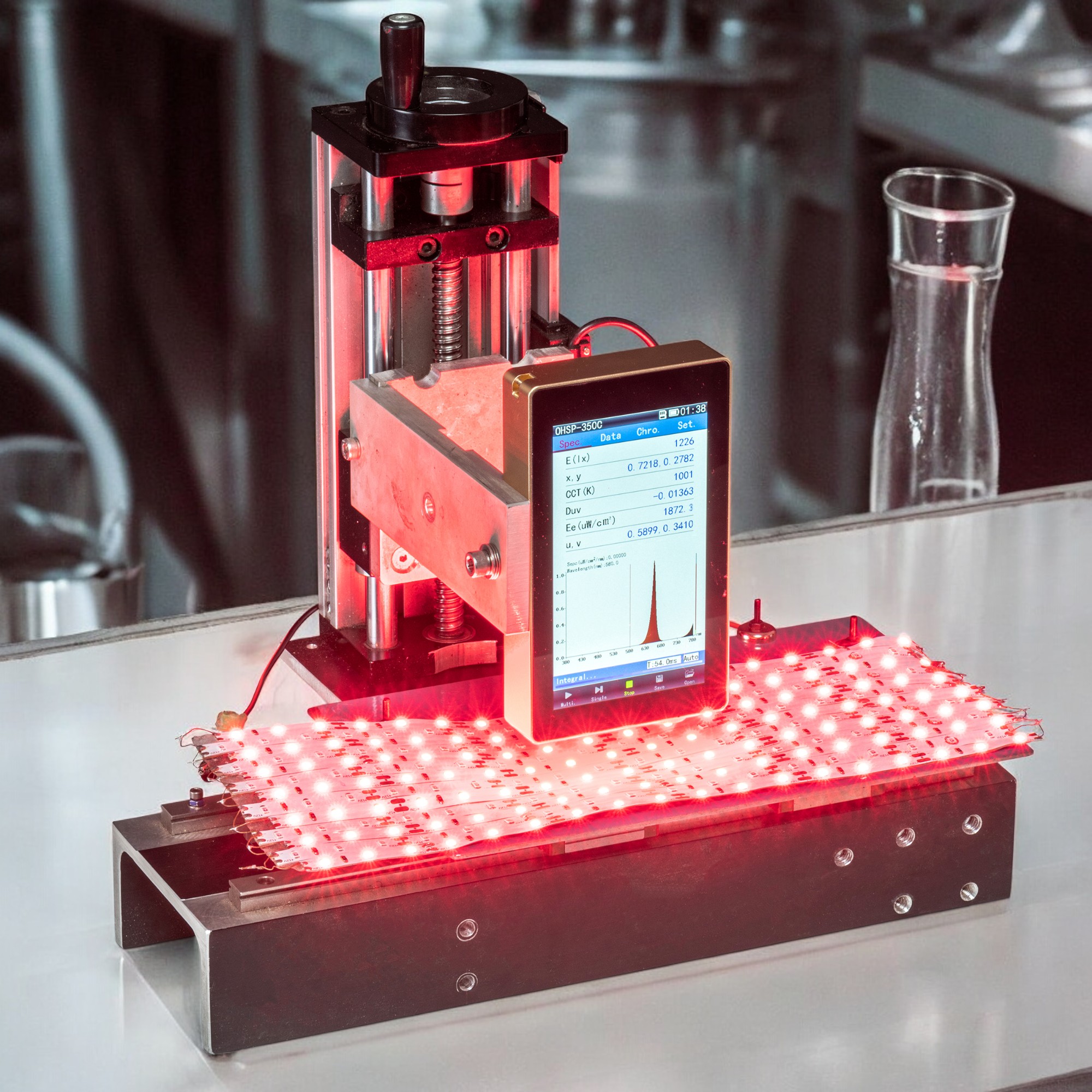
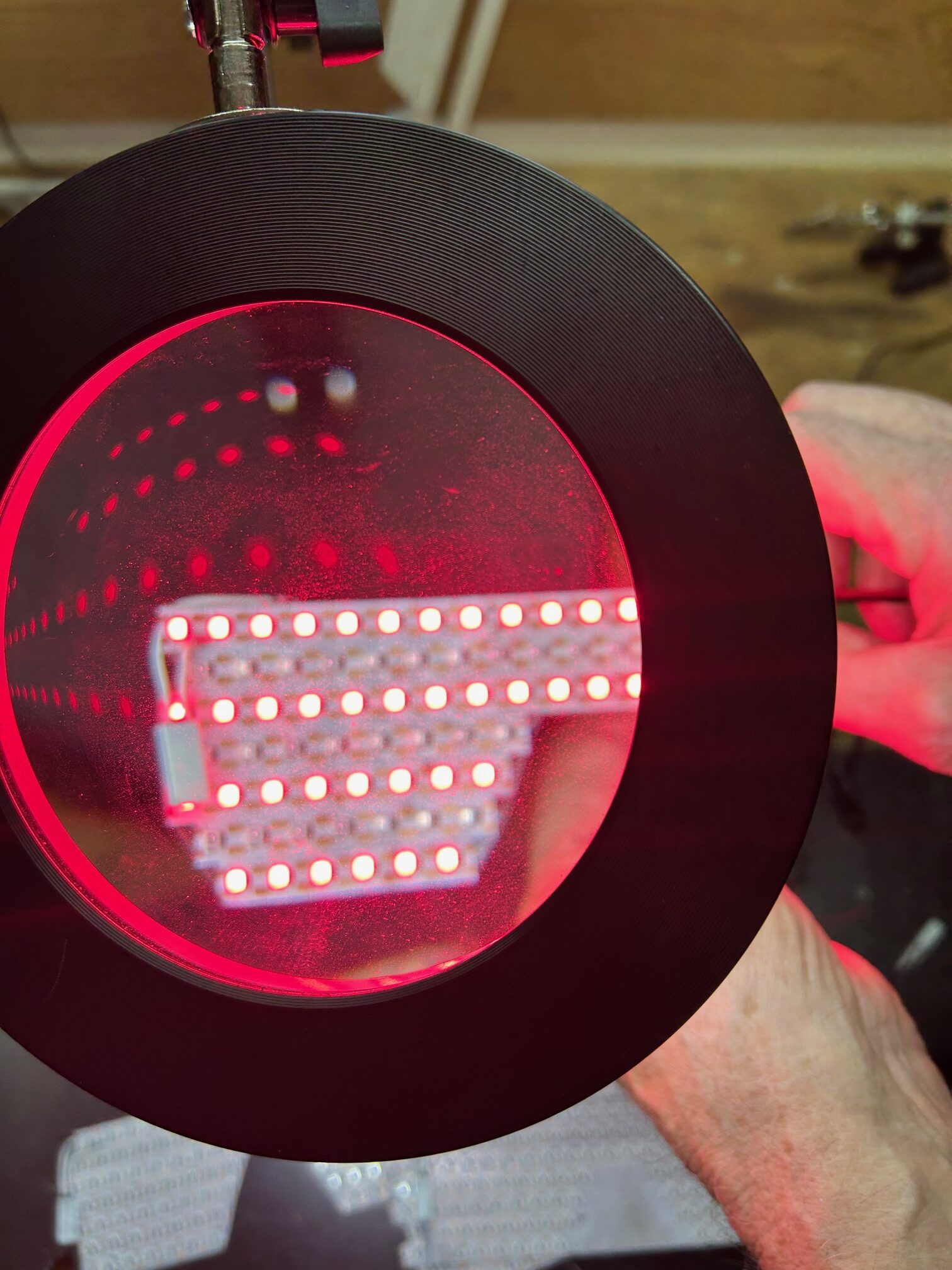
The Spectral WaveFront’s 670 nm and 810 nm wavelengths directly target the mitochondrial deficits characterized by Feher et al. By supporting cytochrome c oxidase activity and ATP production, WaveFront’s dual-wavelength design addresses the core metabolic dysfunction documented in AMD-affected RPE.
Link to original research here
Editor’s note: Feher 2006 established the foundational understanding of mitochondrial dysfunction in AMD RPE, providing the biological rationale for PBM interventions. For mechanistic demonstration of cytochrome c oxidase upregulation with 670 nm light, see Begum 2013. ATP restoration in aging eyes is demonstrated in Gkotsi 2014. Clinical translation of mitochondrial support to visual outcomes is shown in Merry 2017 and Ivandic 2008.
Related Articles
- 670nm Light Reduces Inflammation via Cytochrome c Oxidase – Begum 2013
- Recharging Mitochondrial Batteries in Old Eyes – Gkotsi 2014
- Aging Retinal Function Improved by 670 nm NIR – Sivapathasuntharam 2017
- Photobiomodulation Reduces Drusen Volume in Dry AMD – Merry 2017
- Low-Level Laser Therapy Improves Vision in AMD – Ivandic 2008
Key Takeaways
- Documented mitochondrial structural and functional alterations in AMD-affected retinal pigment epithelium
- Identified reduced ATP production and compromised oxidative phosphorylation as central AMD pathology
- Established mitochondrial dysfunction as key therapeutic target for retinal degeneration interventions
- Provided biological rationale for subsequent PBM studies targeting cytochrome c oxidase pathways
Study Overview
| Study Type: | Mechanistic study (human tissue) |
| Wavelength(s): | N/A (characterization study) |
| Treatment Protocol: | N/A (observational/mechanistic) |
| Sample Size: | AMD-affected RPE tissue samples |
| Primary Outcome: | Characterized mitochondrial deficits in AMD; established therapeutic targets |
Full Citation
Feher J, Kovacs I, Artico M, et al. (2006). Mitochondrial alterations of retinal pigment epithelium in age-related macular degeneration. Neurobiology of Aging, 27(7):983-993. View Publication