Condition focus: Age-Related Macular Degeneration (AMD) & Macular Health
This early clinical study evaluated low-level laser therapy in patients with age-related macular degeneration, investigating whether non-thermal light delivery could influence visual function in degenerative retinal disease. Patients received laser-based photobiomodulation treatments, and visual acuity measurements were assessed before and after intervention. Results demonstrated improvements in visual acuity among treated patients, providing early clinical evidence that low-intensity light therapy could offer therapeutic benefits in AMD without the tissue damage associated with high-intensity laser photocoagulation.
The study contributed important early data distinguishing beneficial photobiomodulation from destructive photothermal effects, establishing that wavelength-specific, low-fluence light delivery could support retinal function through metabolic rather than ablative mechanisms.
WaveFront Alignment:
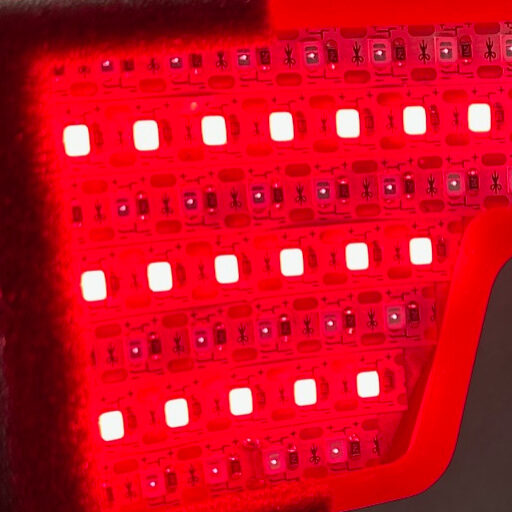
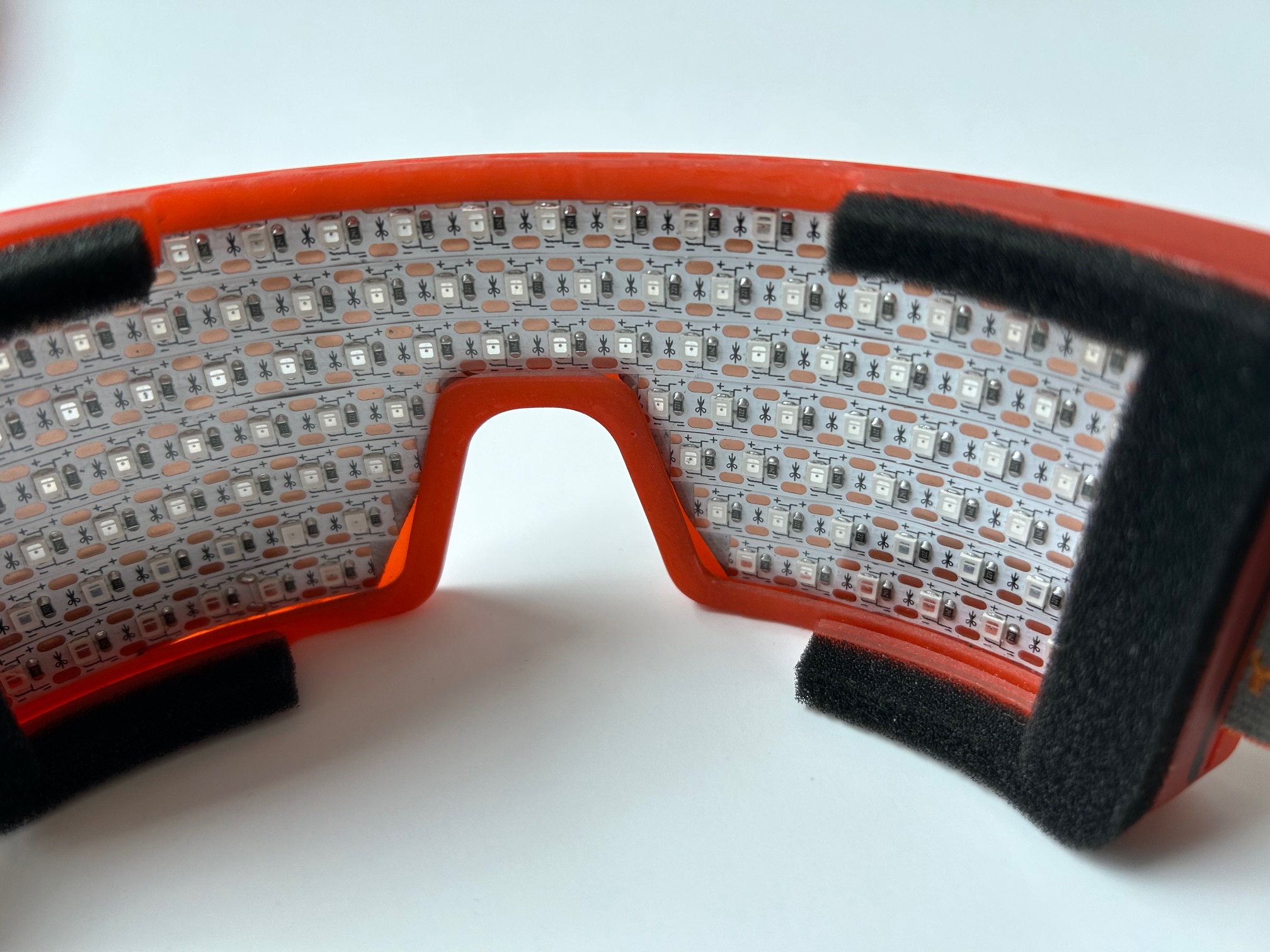
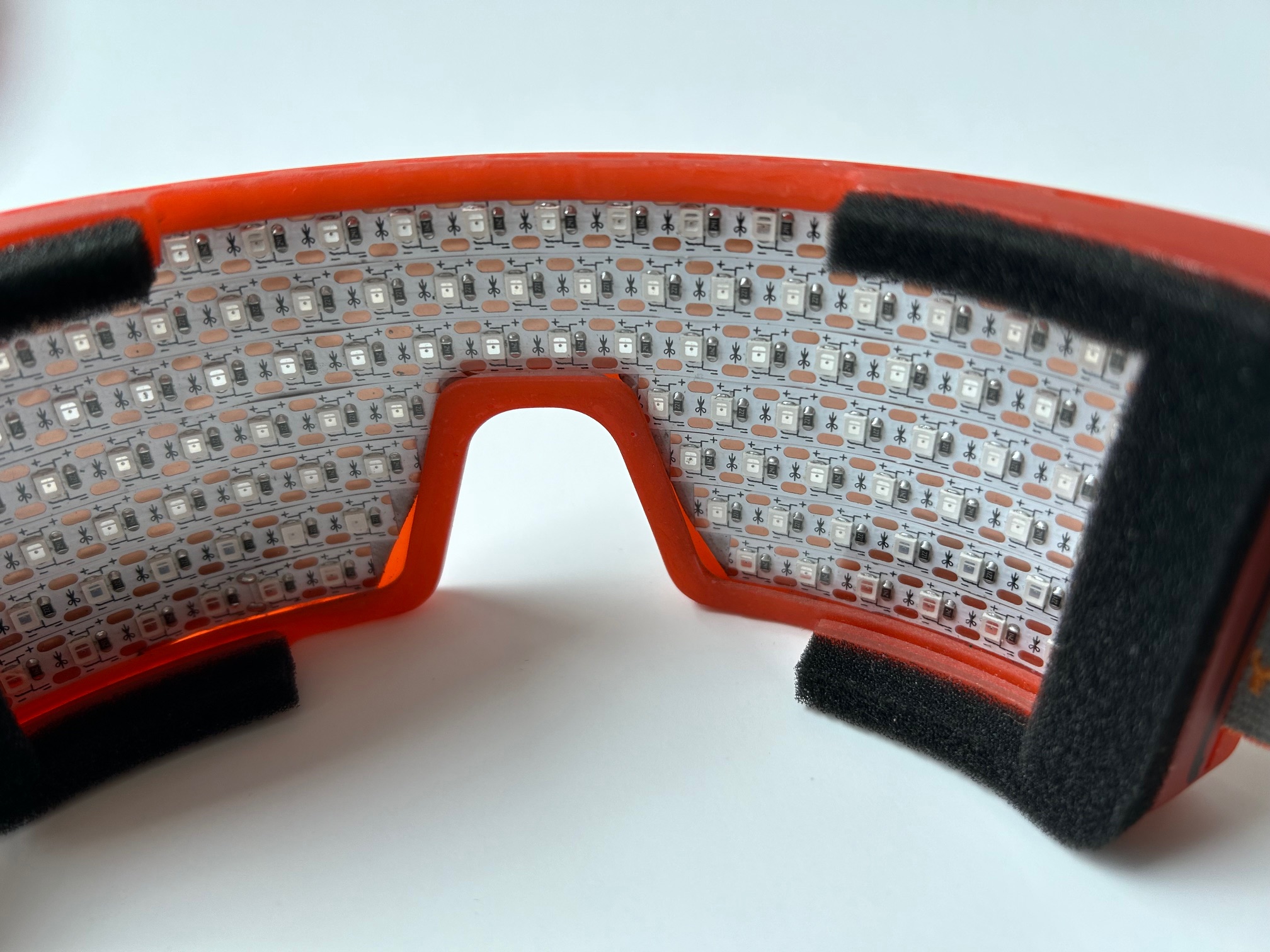
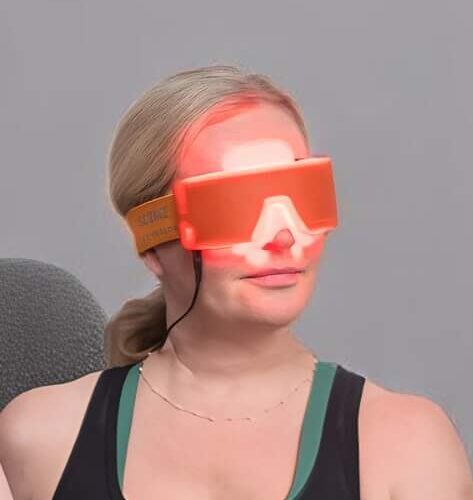
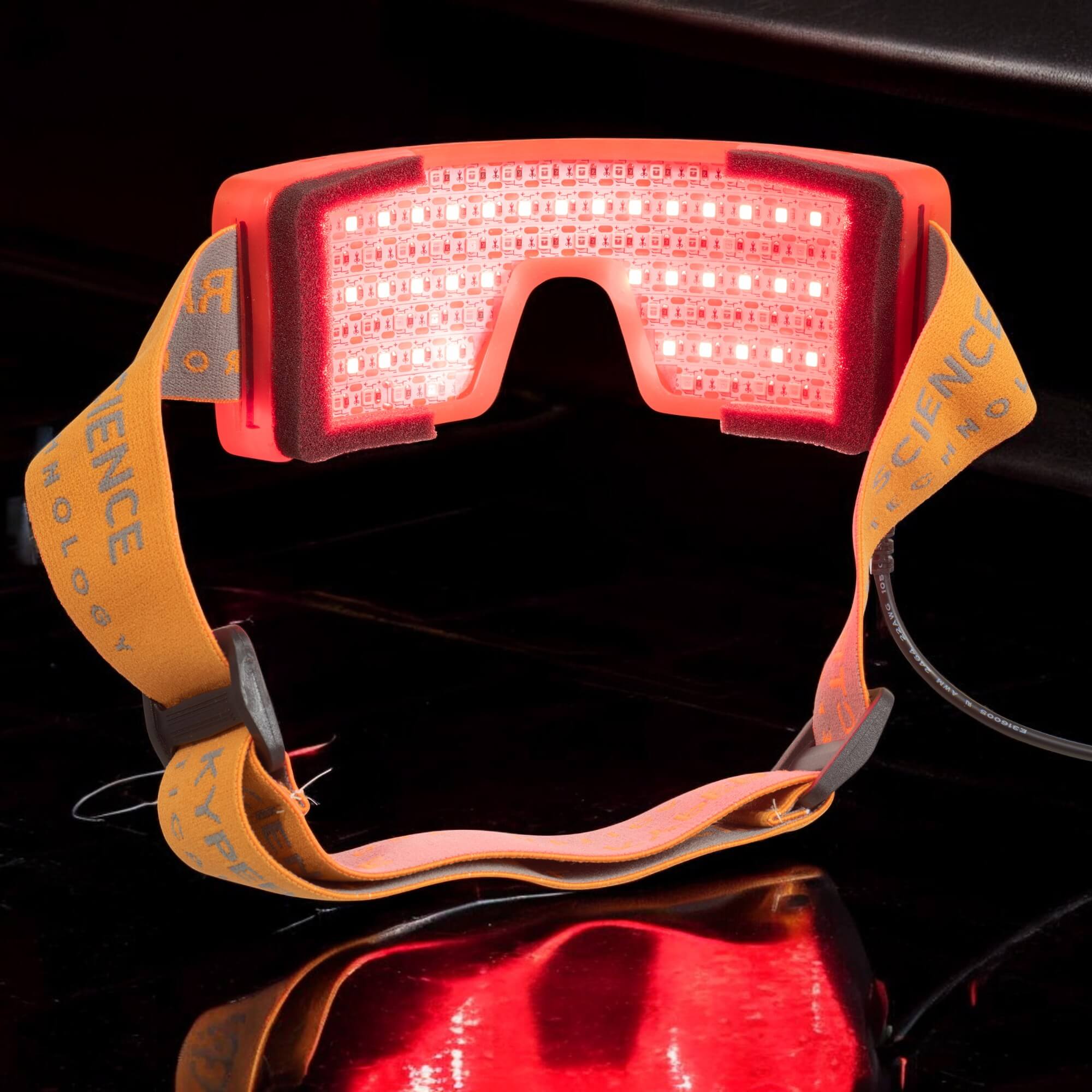
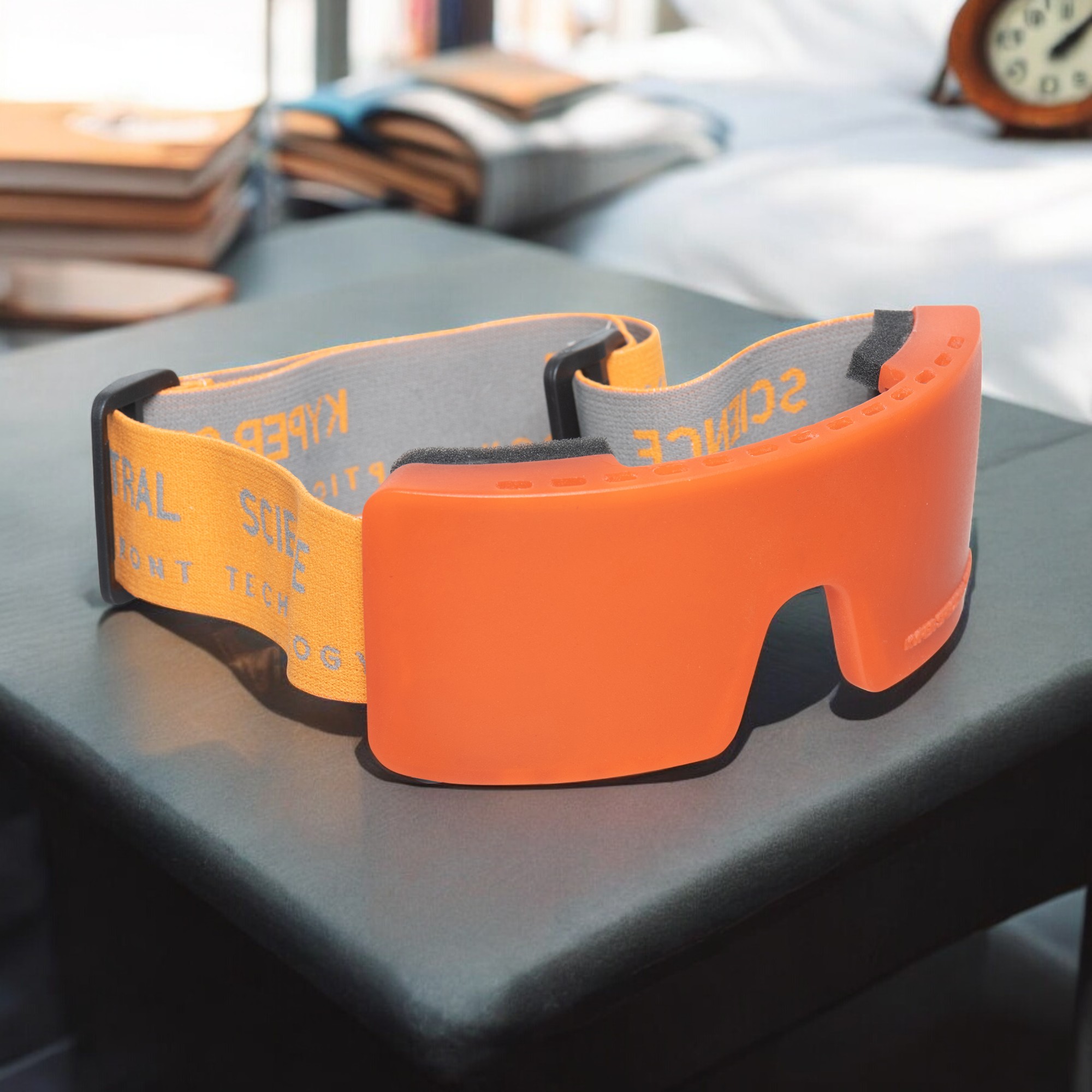
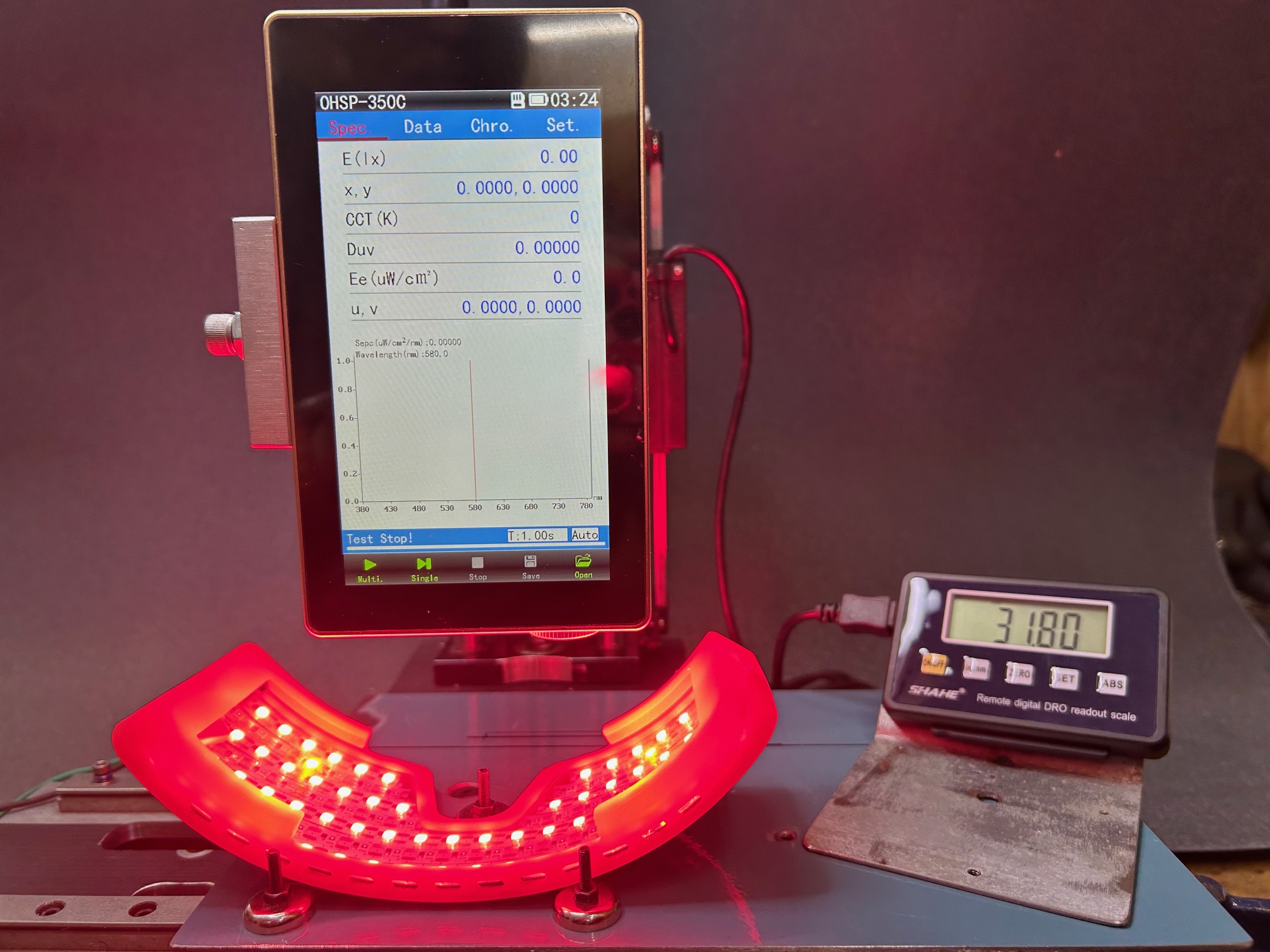
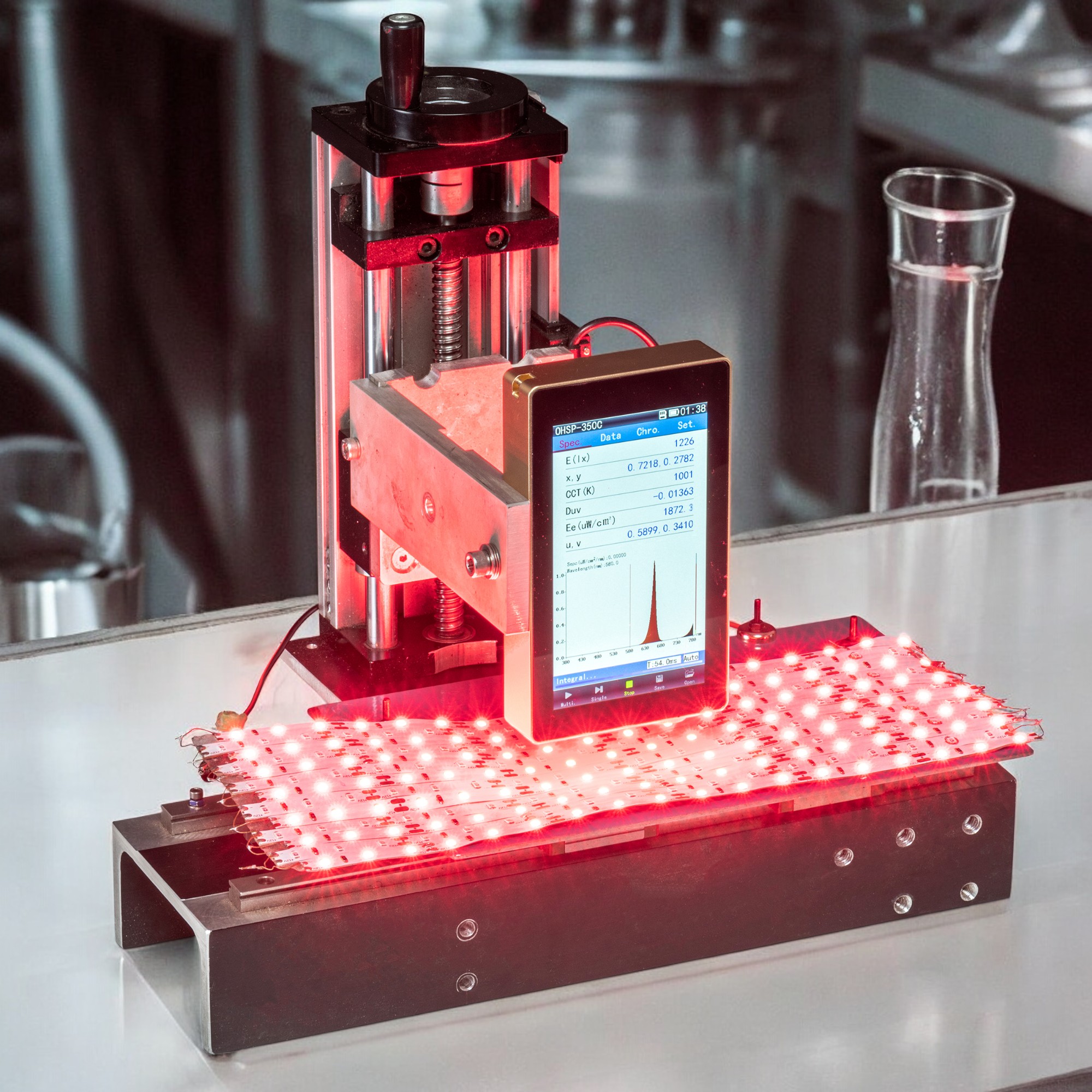
Ivandic’s early findings support the non-thermal, metabolic support rationale underlying the Spectral WaveFront’s 670 nm and 810 nm design. The distinction between therapeutic low-level light and damaging high-intensity laser effects directly informs WaveFront’s fluence parameters and ocular-specific geometry.
Link to original research here
Editor’s note: Ivandic 2008 provided early clinical evidence that informed subsequent AMD PBM investigations. For later multiwavelength outcomes showing drusen reduction, see Merry 2017. Long-term durability data extending to five years are detailed in Koev 2018. Mechanistic understanding of mitochondrial dysfunction in AMD is provided in Feher 2006, while cytochrome c oxidase upregulation pathways are demonstrated in Begum 2013. For WaveFront parameter comparison, see our WaveFront Evidence Alignment.
Related Articles
- Photobiomodulation Reduces Drusen Volume in Dry AMD – Merry 2017
- Five-Year Follow-Up of LLLT in AMD – Koev 2018
- PBM for Dry AMD – Toronto & Oak Ridge Study – Merry 2012
- Mitochondrial Alterations of RPE in AMD – Feher 2006
- 670nm Light Reduces Inflammation via Cytochrome c Oxidase – Begum 2013
Key Takeaways
- Early clinical study demonstrated visual acuity improvements in AMD patients following low-level laser therapy
- Non-thermal light delivery distinguished from destructive photocoagulation approaches
- Established feasibility of metabolic support mechanisms rather than ablative tissue effects
- Provided foundational clinical data that informed subsequent AMD photobiomodulation research
Study Overview
| Study Type: | Clinical study |
| Wavelength(s): | Low-level laser (specific wavelength in protocol) |
| Treatment Protocol: | Non-thermal laser-based PBM sessions |
| Sample Size: | AMD patients |
| Primary Outcome: | Visual acuity improvements; early clinical evidence for PBM in AMD |
Full Citation
Ivandic BT, Ivandic T. (2008). Low-level laser therapy improves vision in patients with age-related macular degeneration. Photomedicine and Laser Surgery, 26(3):241-245. View Publication