Condition focus: Age-Related Macular Degeneration (AMD) & Mitochondrial Support
This study investigated the effects of 670 nm light on retinal inflammation and mitochondrial function in an AMD model. Cytochrome c oxidase, a key enzyme in mitochondrial respiration, was significantly upregulated following 670 nm exposure. Concurrently, markers of retinal inflammation were reduced, suggesting that red light may modulate both metabolic and inflammatory pathways implicated in AMD pathogenesis. The findings demonstrate that wavelength-specific photobiomodulation can influence cellular energetics and inflammatory responses in retinal tissue compromised by age-related degeneration.
By targeting cytochrome c oxidase, 670 nm light enhances ATP production and supports mitochondrial membrane potential, providing a mechanistic foundation for clinical observations of improved visual function in AMD patients receiving red-light therapy.
WaveFront Alignment:
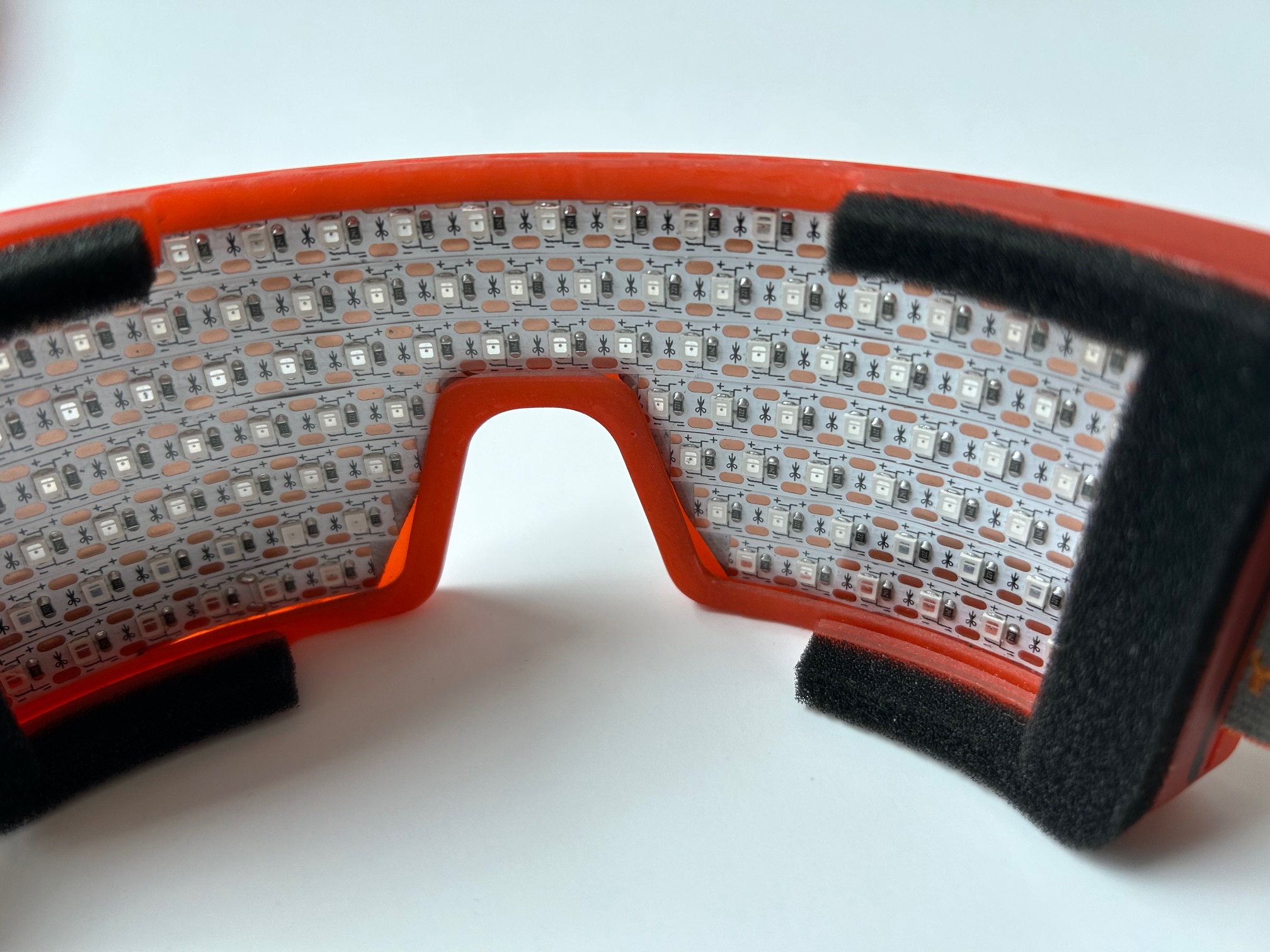
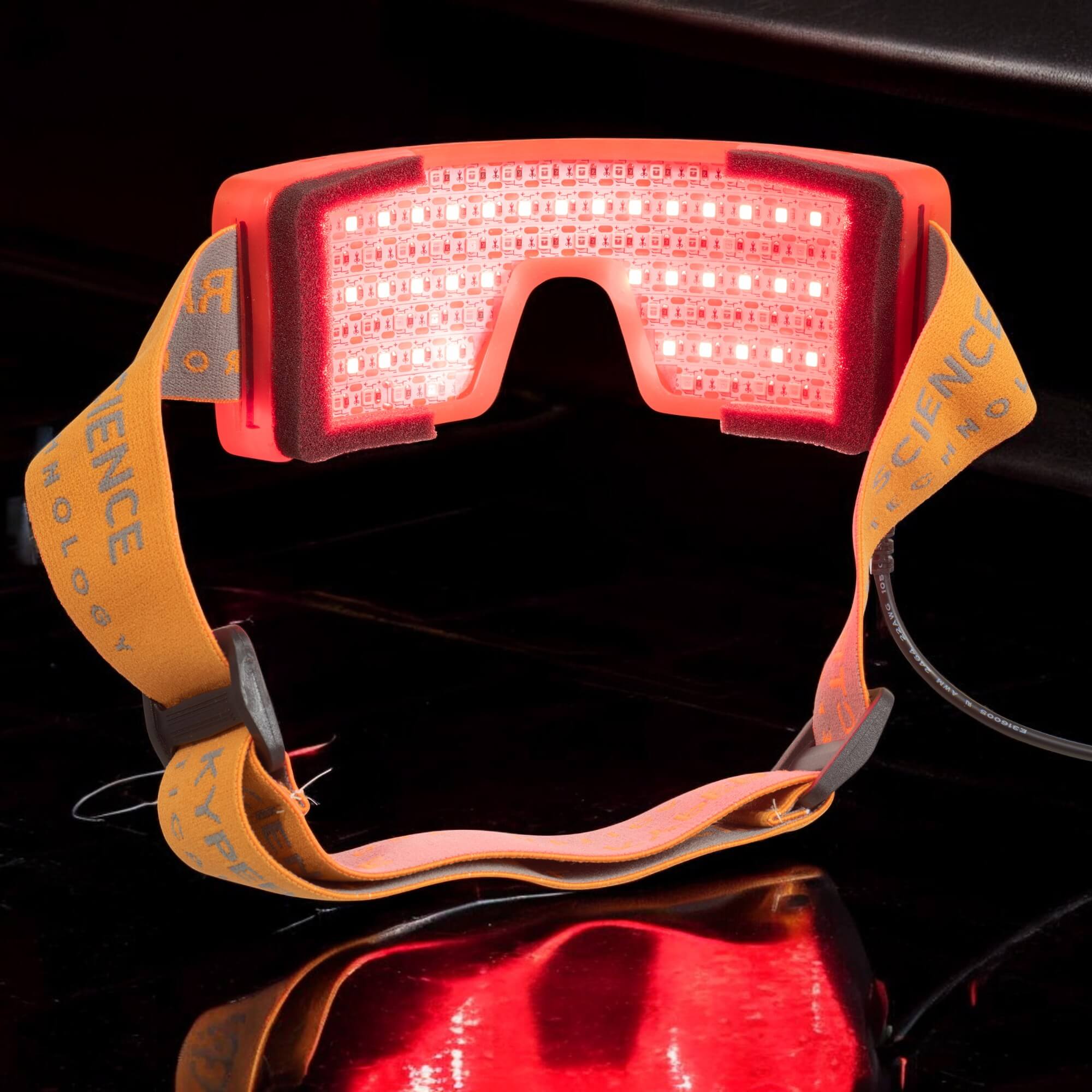
The Spectral WaveFront’s inclusion of 670 nm directly aligns with Begum’s mechanistic findings. Cytochrome c oxidase upregulation and inflammation reduction are core targets of WaveFront’s dual-wavelength (670 nm + 810 nm) design, supporting retinal metabolic resilience through non-thermal photostimulation.
Link to original research here
Editor’s note: Begum 2013 provides critical mechanistic evidence linking 670 nm exposure to cytochrome c oxidase upregulation and inflammation reduction in AMD. These pathways are clinically manifested in drusen reduction and visual improvements reported in Merry 2017. For foundational understanding of mitochondrial alterations in AMD RPE, see Feher 2006. Age-related mitochondrial decline and 670 nm correction are demonstrated in Sivapathasuntharam 2017. Broader inflammatory reduction via mitochondrial membrane potential is detailed in Kokkinopoulos 2013.
Related Articles
- Photobiomodulation Reduces Drusen Volume in Dry AMD – Merry 2017
- Mitochondrial Alterations of RPE in AMD – Feher 2006
- Aging Retinal Function Improved by 670 nm NIR – Sivapathasuntharam 2017
- Age-Related Inflammation Reduced by 670 nm – Kokkinopoulos 2013
- Recharging Mitochondrial Batteries in Old Eyes – Gkotsi 2014
Key Takeaways
- 670 nm light significantly upregulates cytochrome c oxidase in AMD model retinal tissue
- Retinal inflammation markers reduced following 670 nm exposure, linking metabolic and inflammatory pathways
- Enhanced ATP production and mitochondrial membrane potential support retinal cellular energetics
- Mechanistic findings provide biological foundation for clinical AMD PBM outcomes
Study Overview
| Study Type: | Animal model (mechanistic) |
| Wavelength(s): | 670 nm |
| Treatment Protocol: | 670 nm exposure in AMD model |
| Sample Size: | AMD animal model |
| Primary Outcome: | Upregulated cytochrome c oxidase; reduced retinal inflammation |
Full Citation
Begum R, et al. (2013). Treatment with 670 nm light up regulates cytochrome c oxidase expression and reduces inflammation in an age-related macular degeneration model. PLoS One, 8(2):e57828. View Publication