Condition focus: Optic Nerve & Retinal Degeneration
Red/near-infrared irradiation therapy delivered by LED has improved functional outcomes in a range of CNS injuries. However, translation to clinical treatment has been hampered by lack of comparative information regarding penetration depth and optimal treatment parameters. This study compared treatment efficacy of 670 nm versus 830 nm LED arrays, adjusted to produce equal irradiance, in four rat CNS injury models: partial optic nerve transection, light-induced retinal degeneration, traumatic brain injury, and spinal cord injury.
Treatment with 670 nm following partial optic nerve transection significantly increased visual responses at 7 days post-injury and reduced reactive oxygen species. Pre-treatment of light-induced retinal degeneration with 670 nm significantly reduced apoptotic cells and oxidative DNA damage; 830 nm outcomes were not significantly different from controls. The findings indicate that wavelength optimization is critical and injury-type specific, with 670 nm demonstrating superior efficacy for retinal and optic nerve applications.
WaveFront Alignment:
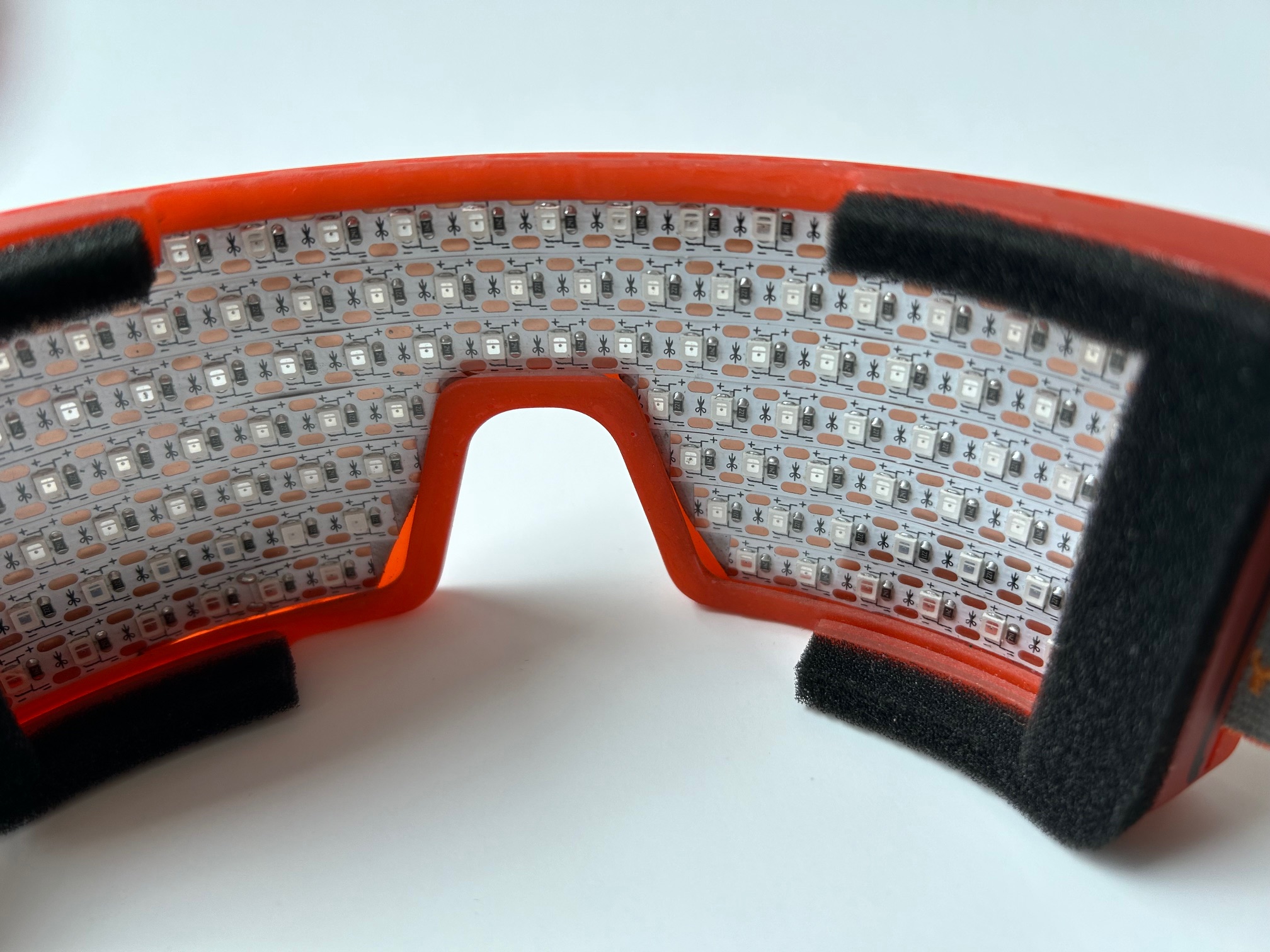
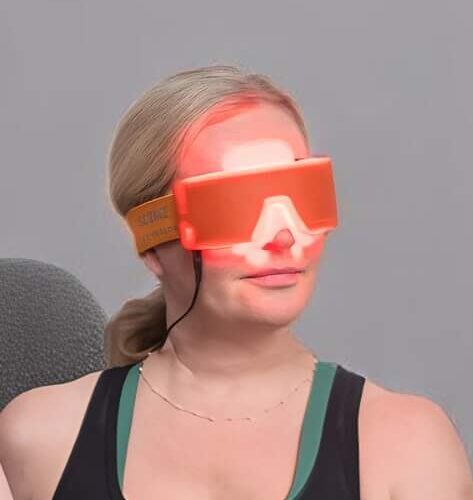
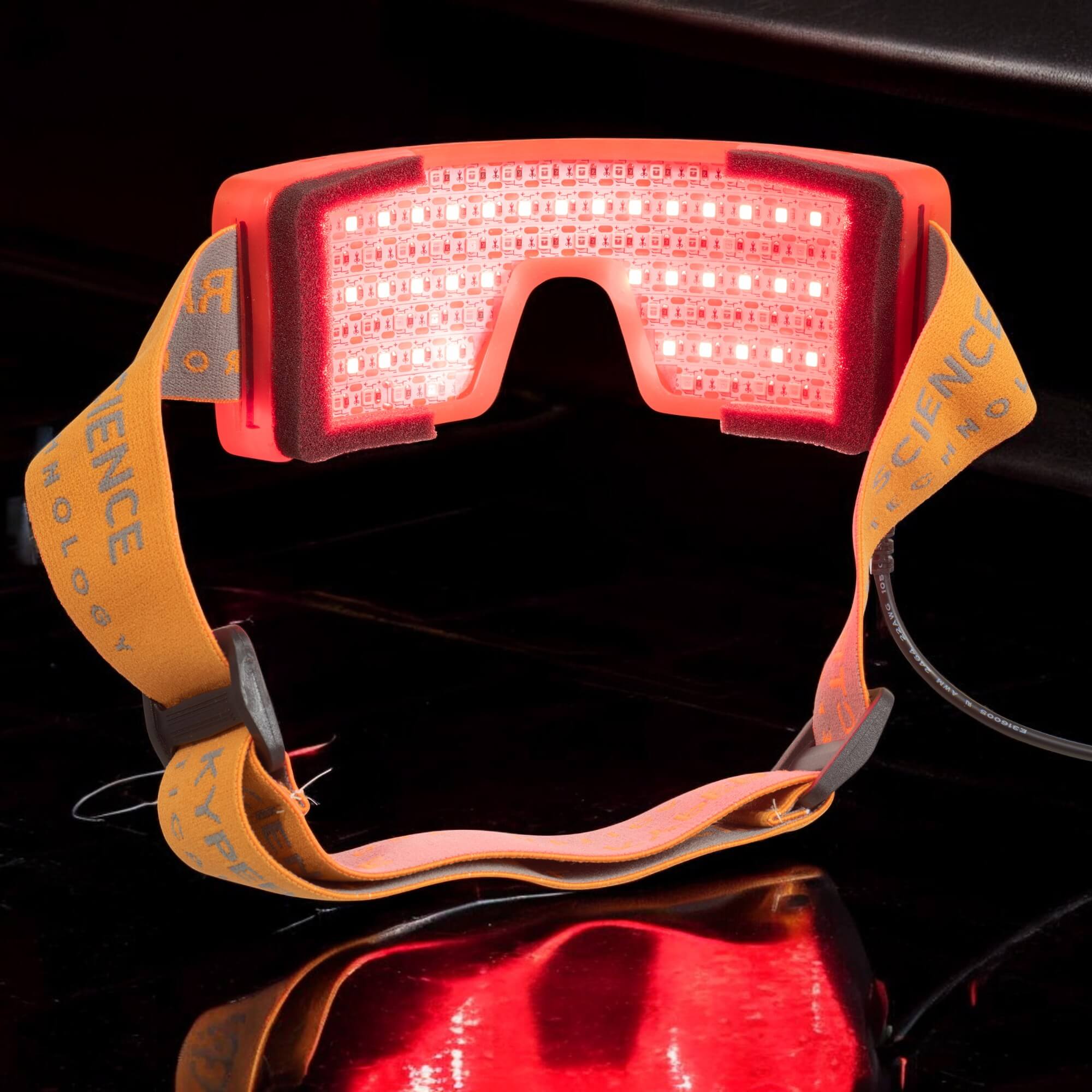
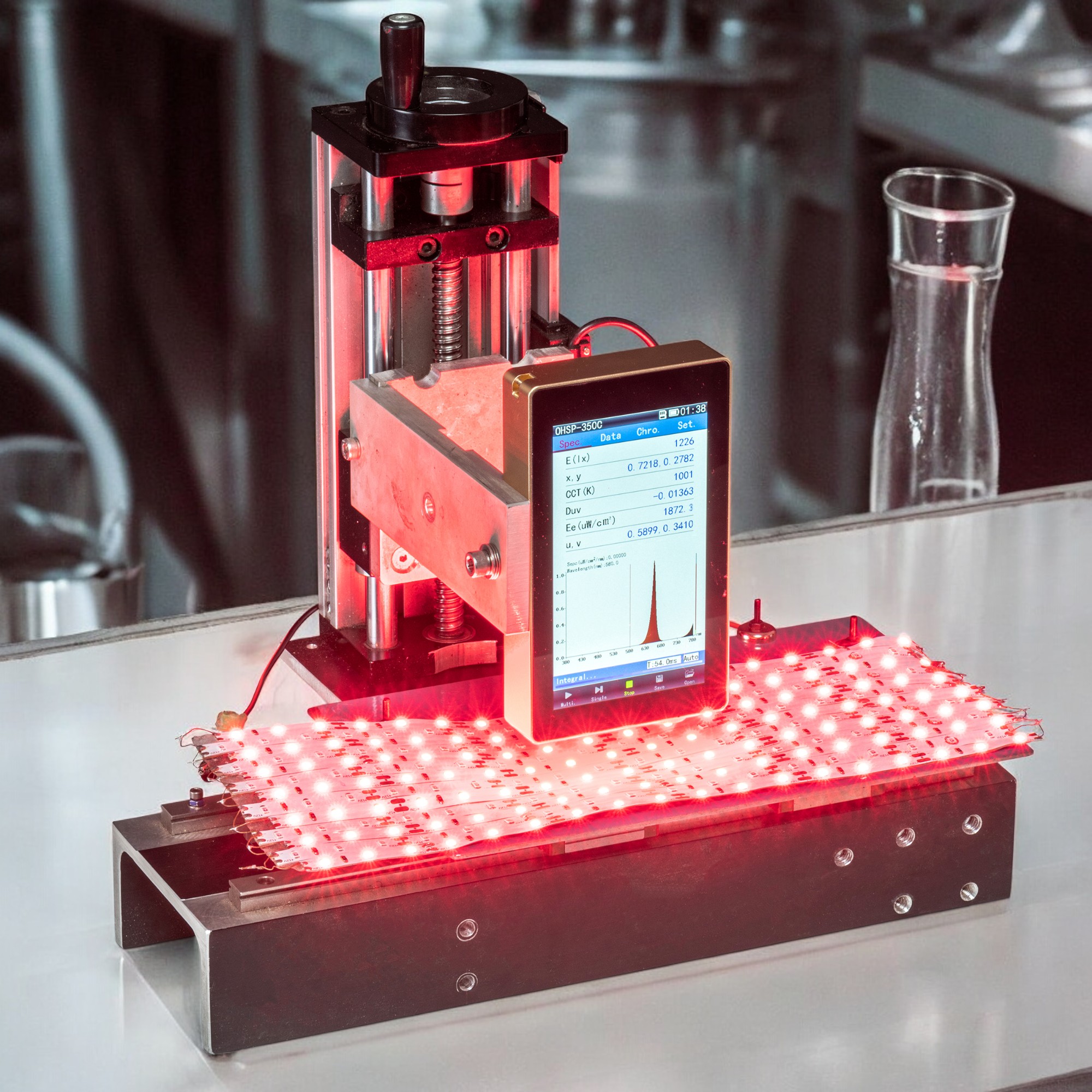
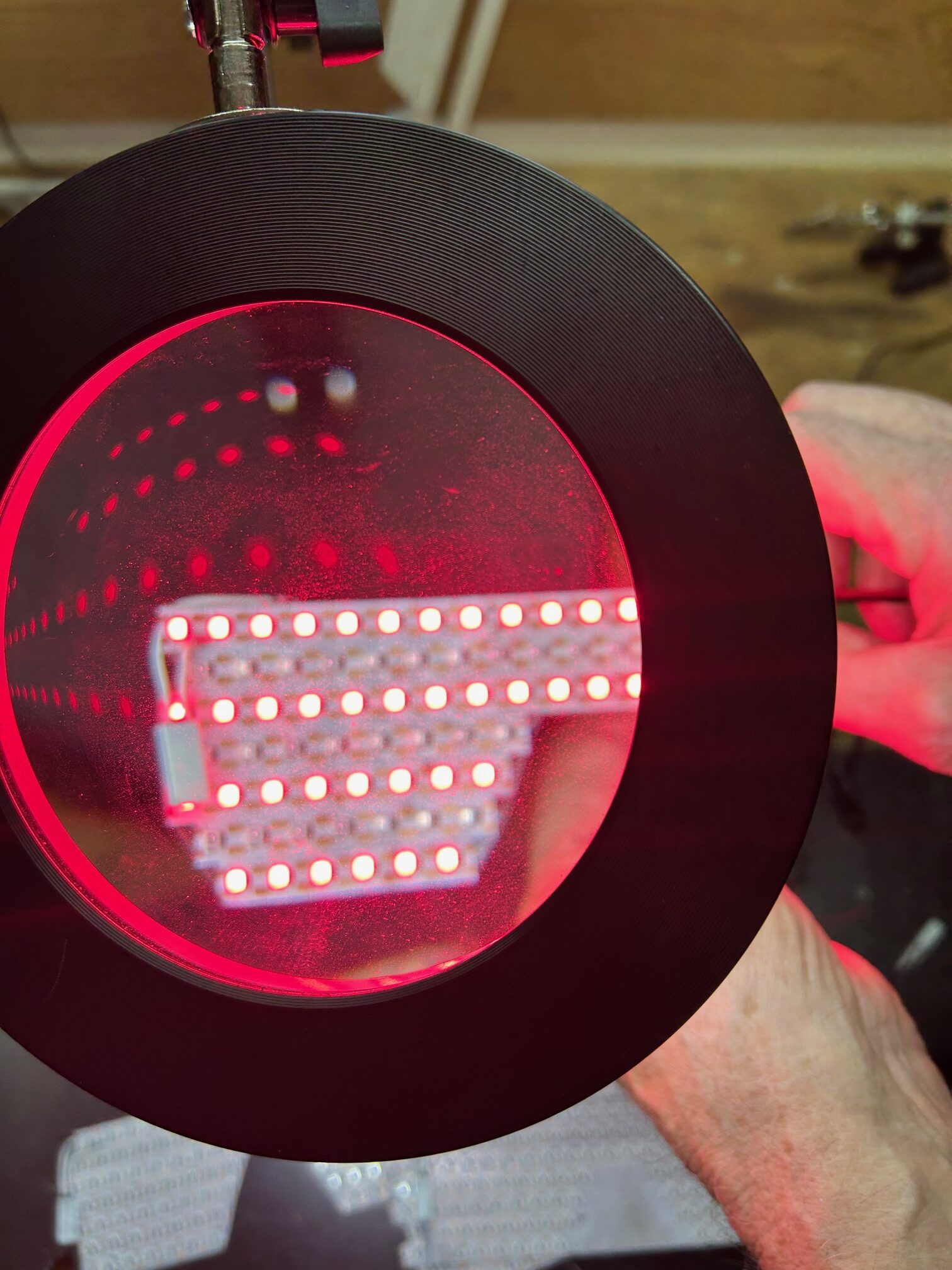
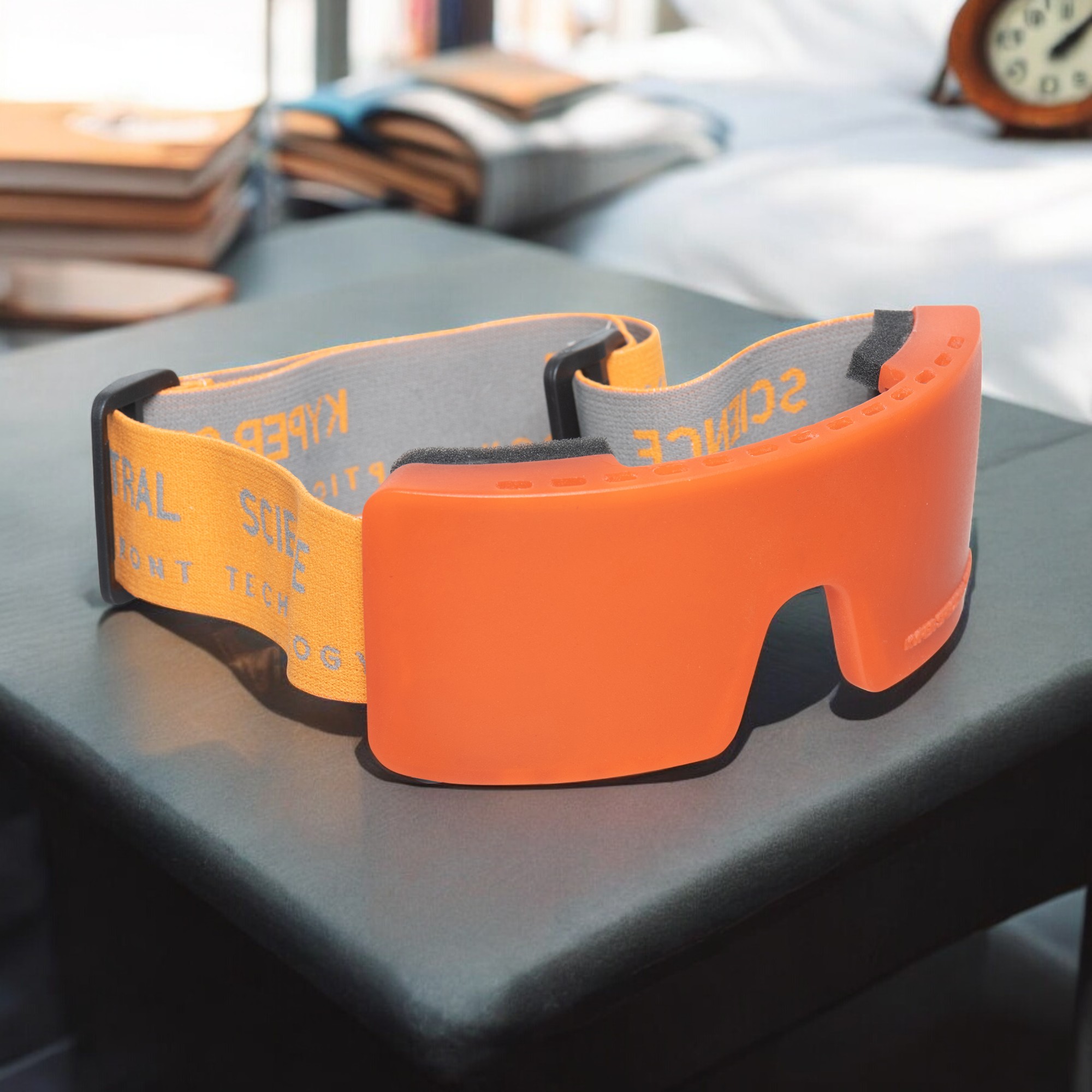
Giacci’s comparative data showing 670 nm superiority in retinal and optic nerve protection directly informed the Spectral WaveFront’s wavelength selection. The demonstrated reduction in reactive oxygen species and oxidative DNA damage with 670 nm validates WaveFront’s inclusion of this wavelength for retinal neuroprotection.
Read full article here
Editor’s note: Giacci 2014 provides critical wavelength comparison showing 670 nm superiority for retinal applications. For additional 670 nm photoreceptor protection data, see Albarracin 2011 and Albarracin 2012. For optic nerve injury neuroprotection, see Szymanski 2013 and Fitzgerald 2010. Broader mechanistic context appears in Beirne 2017.
Related Articles
- PBM Protects Photoreceptors from Light-Induced Degeneration – Albarracin 2011
- 670nm Light in Optic Nerve Injury – Szymanski 2013
- NIR Reduces Oxidative Stress in Optic Nerve Injury – Fitzgerald 2010
- 670 nm Protects Cone Photoreceptors – Albarracin 2012
- Photostimulation of Mitochondria – Beirne 2017
Key Takeaways
- 670 nm significantly improved visual responses and reduced reactive oxygen species in optic nerve injury
- 670 nm pre-treatment reduced apoptotic cells and oxidative DNA damage in retinal degeneration; 830 nm did not
- Wavelength optimization is critical and injury-type specific for CNS applications
- Study demonstrates 670 nm superiority for retinal and optic nerve neuroprotection
Study Overview
| Study Type: | Animal model (comparative wavelength study) |
| Wavelength(s): | 670 nm vs 830 nm (equal irradiance) |
| Treatment Protocol: | LED arrays in four CNS injury models (optic nerve, retinal degeneration, TBI, SCI) |
| Sample Size: | Rat models across four injury types |
| Primary Outcome: | 670 nm superior for retinal/optic nerve protection; wavelength optimization required per injury type |
Full Citation
Giacci MK, et al. (2014). Differential effects of 670 and 830 nm red near infrared irradiation therapy: a comparative study of optic nerve injury, retinal degeneration, traumatic brain and spinal cord injury. PLoS One, 9(8):e104565. View Publication