Condition focus: Retinopathy of Prematurity & Vascular Development
Retinopathy of prematurity remains a leading cause of childhood blindness worldwide, driven by abnormal retinal vascularization in premature infants exposed to hyperoxia. This study investigated whether 670 nm near-infrared photobiomodulation could protect against pathological neovascularization in oxygen-induced retinopathy (OIR) models that simulate ROP pathophysiology. Neonatal rats were subjected to hyperoxia followed by relative hypoxia to induce pathological retinal vessel growth, with experimental groups receiving 670 nm LED treatment during critical vascular development periods.
Animals treated with 670 nm light demonstrated significantly reduced pathological neovascularization compared to OIR controls, with decreased avascular areas and reduced aberrant vessel growth. The treatment preserved normal retinal vascular architecture and reduced hypoxia-driven VEGF overexpression. Retinal function assessed by electroretinography was better preserved in treated animals. Mechanistic analysis revealed that 670 nm treatment enhanced mitochondrial function in developing retinal cells, reducing oxidative stress and modulating angiogenic factor expression. These findings establish proof-of-concept that photobiomodulation could serve as a novel preventive or therapeutic approach for retinopathy of prematurity, offering a non-invasive intervention to protect vulnerable preterm retinas.
WaveFront Alignment:
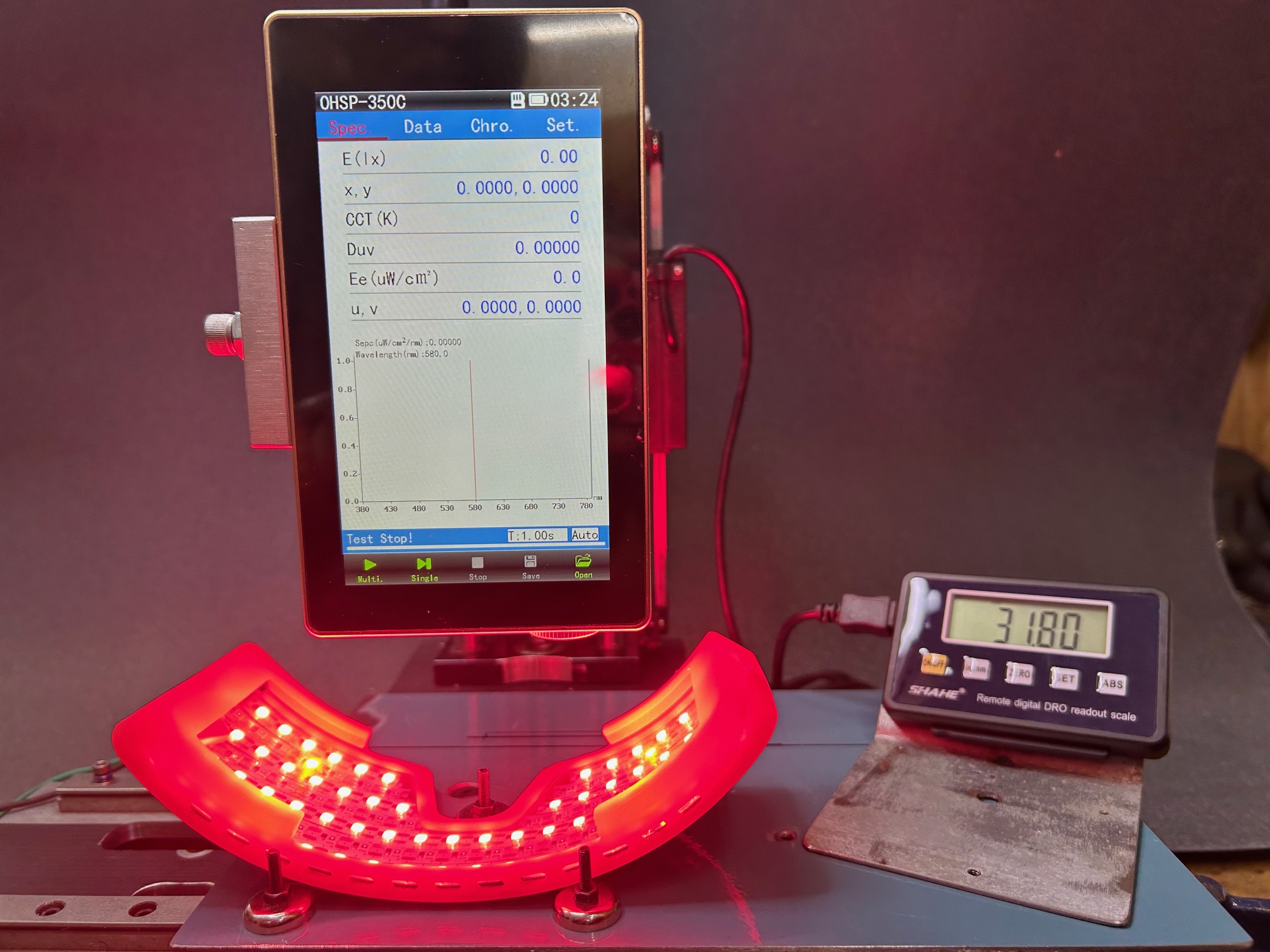
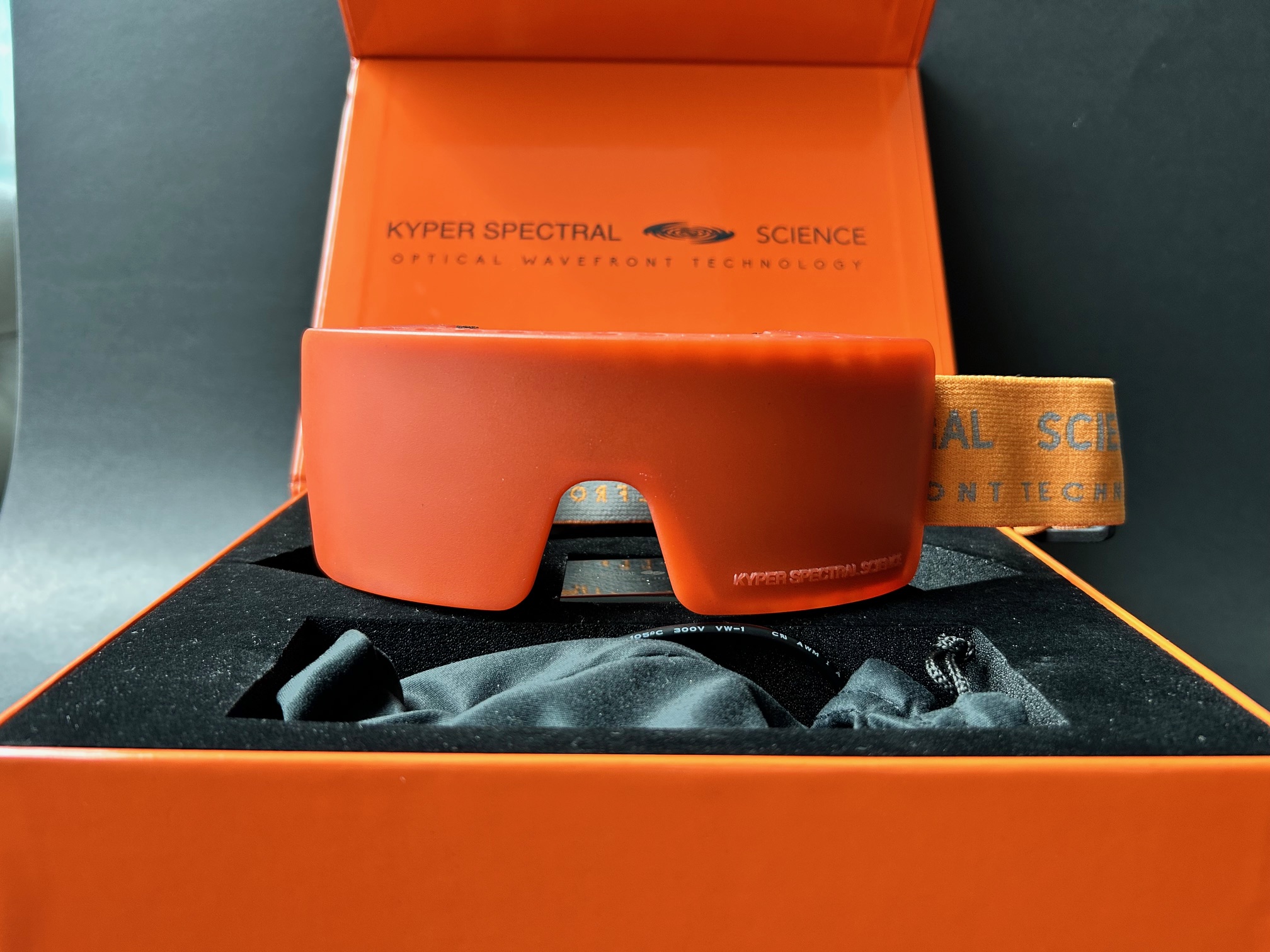
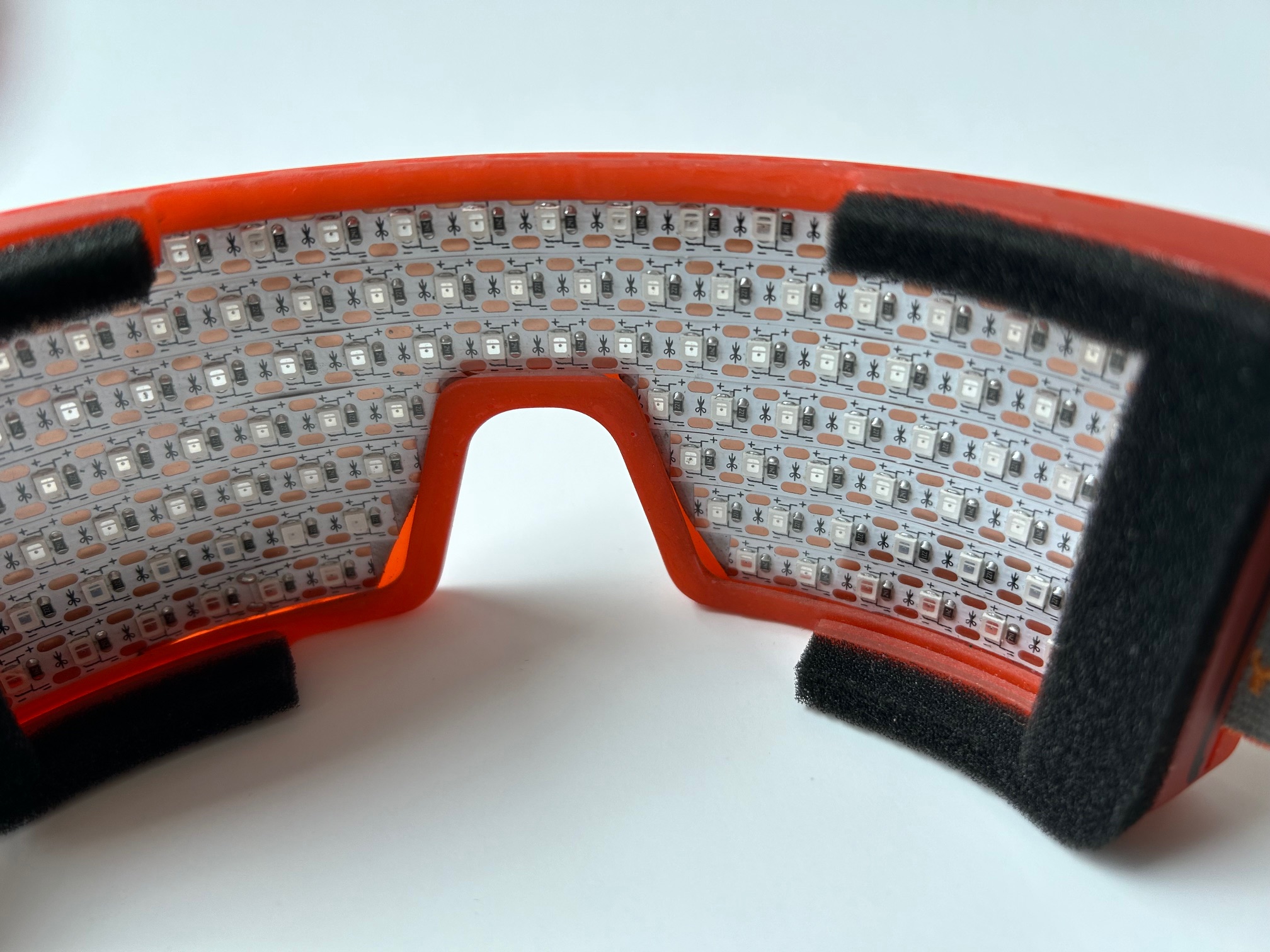
Natoli’s demonstration that 670 nm protects against pathological neovascularization in ROP models validates photobiomodulation’s vascular regulatory effects, supporting the Spectral WaveFront’s potential applications in retinal vascular diseases beyond adult conditions to include pediatric populations.
Read full article here
Editor’s note: Natoli 2013 establishes 670 nm protection against pathological neovascularization in ROP models. For related vascular applications, see Tang 2013 and Tang 2014. Broader photoreceptor protection context appears in Albarracin 2011. Mitochondrial mechanisms relevant to developing retina in Gkotsi 2014 and Fitzgerald 2010.
Related Articles
- Far-Red Light Inhibits Early Diabetic Retinopathy Lesions – Tang 2013
- PBM for Non-Center-Involving Diabetic Macular Oedema – Tang 2014
- PBM Protects Photoreceptors from Light-Induced Degeneration – Albarracin 2011
- Recharging Mitochondrial Batteries in Old Eyes – Gkotsi 2014
- NIR Reduces Oxidative Stress in Optic Nerve Injury – Fitzgerald 2010
Key Takeaways
- 670 nm treatment significantly reduced pathological neovascularization in oxygen-induced retinopathy models
- Decreased avascular areas and preserved normal retinal vascular architecture versus OIR controls
- Reduced hypoxia-driven VEGF overexpression with better preserved retinal function
- Establishes proof-of-concept for photobiomodulation as novel ROP preventive/therapeutic approach
Study Overview
| Study Type: | Animal model (oxygen-induced retinopathy) |
| Wavelength(s): | 670 nm (near-infrared) |
| Treatment Protocol: | LED treatment during critical vascular development periods in neonatal rats |
| Sample Size: | Neonatal rat OIR models with vascular and functional assessment |
| Primary Outcome: | Reduced pathological neovascularization and preserved retinal vascular architecture |
Full Citation
Natoli R, et al. (2013). 670nm photobiomodulation as a novel protection against retinopathy of prematurity: evidence from oxygen induced retinopathy models. PLoS One, 8(8):e72135. View Publication