Condition focus: Visual Function & Photoreceptor Performance
This study demonstrated that a single 3-minute exposure to 670 nm light in the morning significantly improved colour contrast sensitivity for at least one week in individuals aged 40 and above. Participants underwent baseline colour contrast testing, received a brief 670 nm exposure, and were reassessed at multiple time points over the following week. Results showed sustained improvements in colour discrimination and contrast detection, with benefits persisting beyond seven days from a single treatment session.
The findings suggest that even minimal 670 nm exposure can produce lasting functional benefits in aging visual systems, likely through transient enhancement of mitochondrial function in cone photoreceptors. The durability of effect from such brief exposure demonstrates the potential efficiency of wavelength-specific photobiomodulation for supporting visual performance.
WaveFront Alignment:
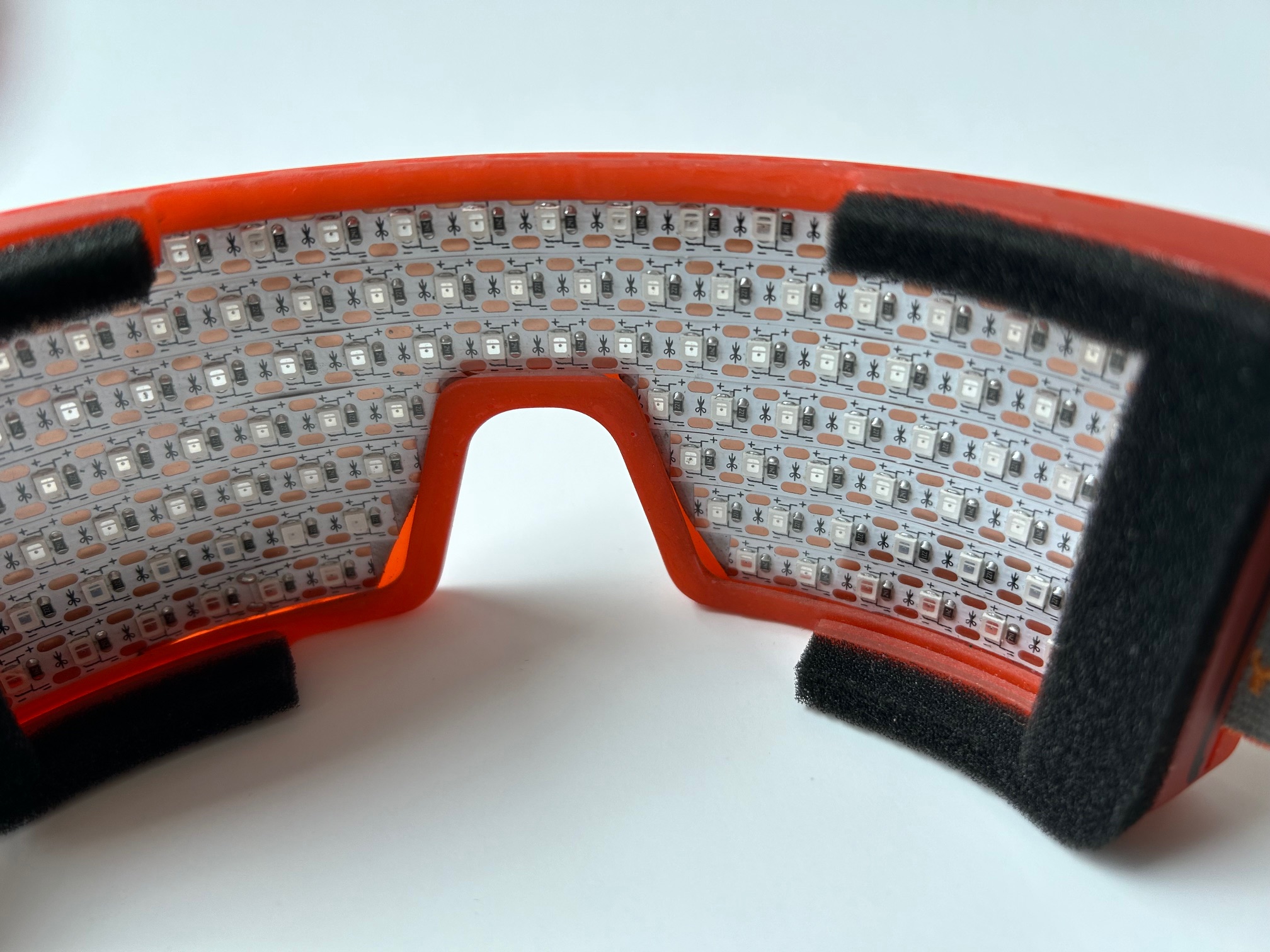
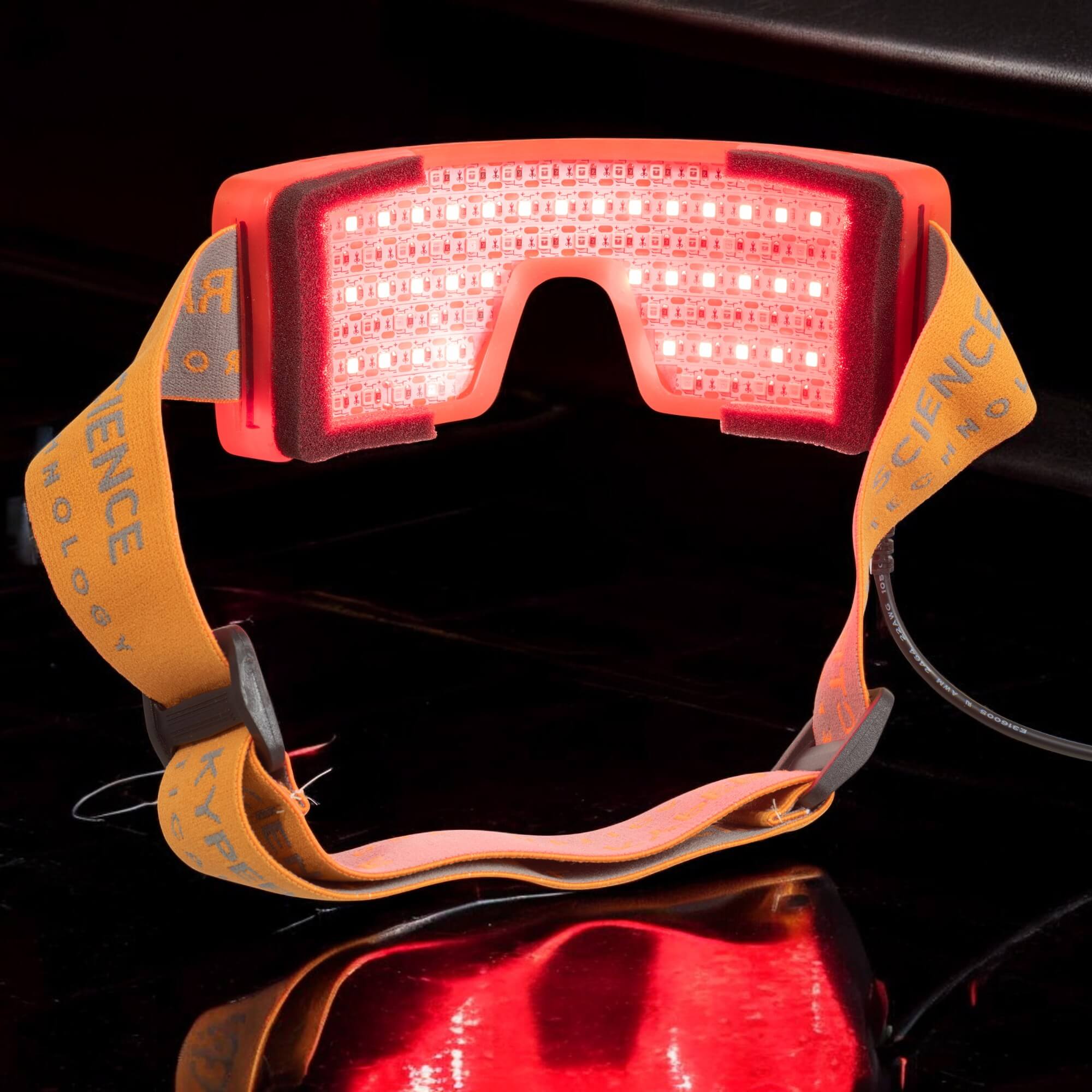
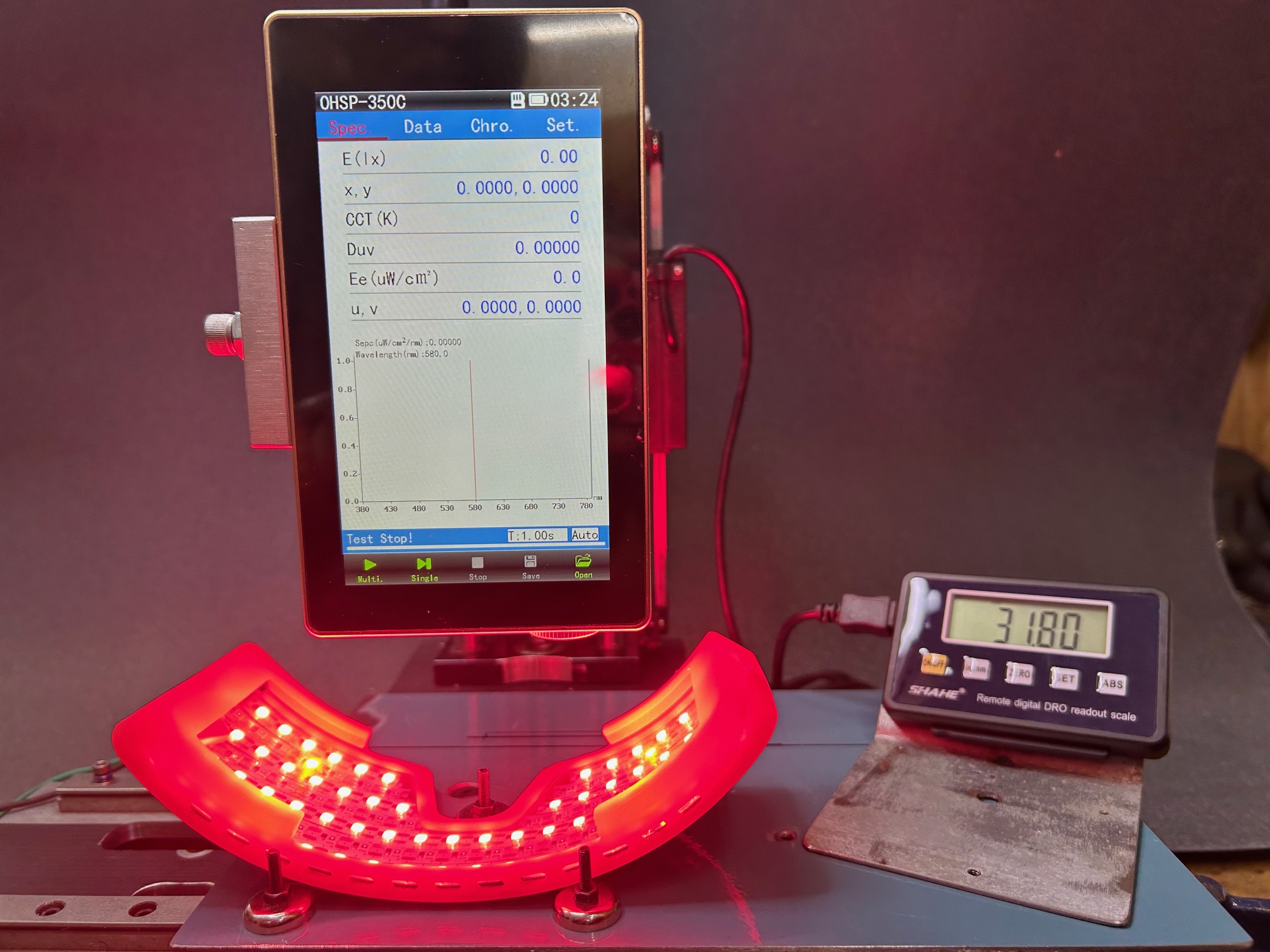
Shinhmar’s demonstration of sustained visual improvements from brief 670 nm exposure validates the Spectral WaveFront’s inclusion of this wavelength for visual function support. The weeklong benefit duration suggests that regular WaveFront use could provide cumulative and sustained visual performance enhancement through repeated mitochondrial support.
Link to original research here
Editor’s note: Shinhmar 2021 demonstrates rapid, sustained functional benefits from minimal 670 nm exposure. For mitochondrial mechanisms underlying these effects, see Sivapathasuntharam 2017 and Gkotsi 2014. Longer-duration 670 nm protocols in aging and AMD are evaluated in Grewal 2020. For mitochondrial photostimulation principles, see Beirne 2017.
Related Articles
- Aging Retinal Function Improved by 670 nm NIR – Sivapathasuntharam 2017
- Recharging Mitochondrial Batteries in Old Eyes – Gkotsi 2014
- Evaluating 670 nm PBM in Healthy Aging and AMD – Grewal 2020
- Photostimulation of Mitochondria for Retinal Neurodegeneration – Beirne 2017
- Age-Related Inflammation Reduced by 670 nm – Kokkinopoulos 2013
Key Takeaways
- Single 3-minute 670 nm exposure improved colour contrast sensitivity for over one week in adults 40+
- Benefits sustained beyond 7 days from minimal treatment duration
- Demonstrates efficiency of wavelength-specific PBM for visual performance enhancement
- Suggests regular brief exposures could provide cumulative functional benefits in aging vision
Study Overview
| Study Type: | Human clinical study |
| Wavelength(s): | 670 nm |
| Treatment Protocol: | Single 3-minute morning exposure |
| Sample Size: | Adults aged 40 and above |
| Primary Outcome: | Sustained colour contrast sensitivity improvement lasting 7+ days |
Full Citation
Shinhmar H, et al. (2021). Optically improved mitochondrial function redeems aged human visual decline. The Journals of Gerontology: Series A, 76(9):e270-e278. View Publication