Condition focus: Age-Related Macular Degeneration (AMD) & Macular Health
AMD is a leading cause of visual impairment in older adults, and current treatments largely focus on disease monitoring or managing complications. Photobiomodulation (PBM) has emerged as a non-invasive approach aimed at supporting retinal metabolism and mitigating oxidative stress. This systematic review and meta-analysis evaluates multiwavelength PBM protocols in patients with dry AMD and compares clinical outcomes with sham or control treatments.
Results: Six studies (360 patients, 477 eyes) investigated PBM for dry AMD, with five eligible for meta-analysis.
-
Best-corrected visual acuity (BCVA): no significant improvement vs. sham
-
Macular drusen volume: no significant change across studies
-
Geographic atrophy: one study evaluated this endpoint; no significant effect
-
Central subfield thickness: no meaningful differences
-
Microperimetry: no significant group effect
-
Adverse events: sham-treated eyes reported more adverse events at ≤6 months; overall PBM safety profile remained favourable
Qualitative synthesis suggested that PBM may support quality-of-life measures and functional outcomes in some studies, even when meta-analytic group differences were not significant.
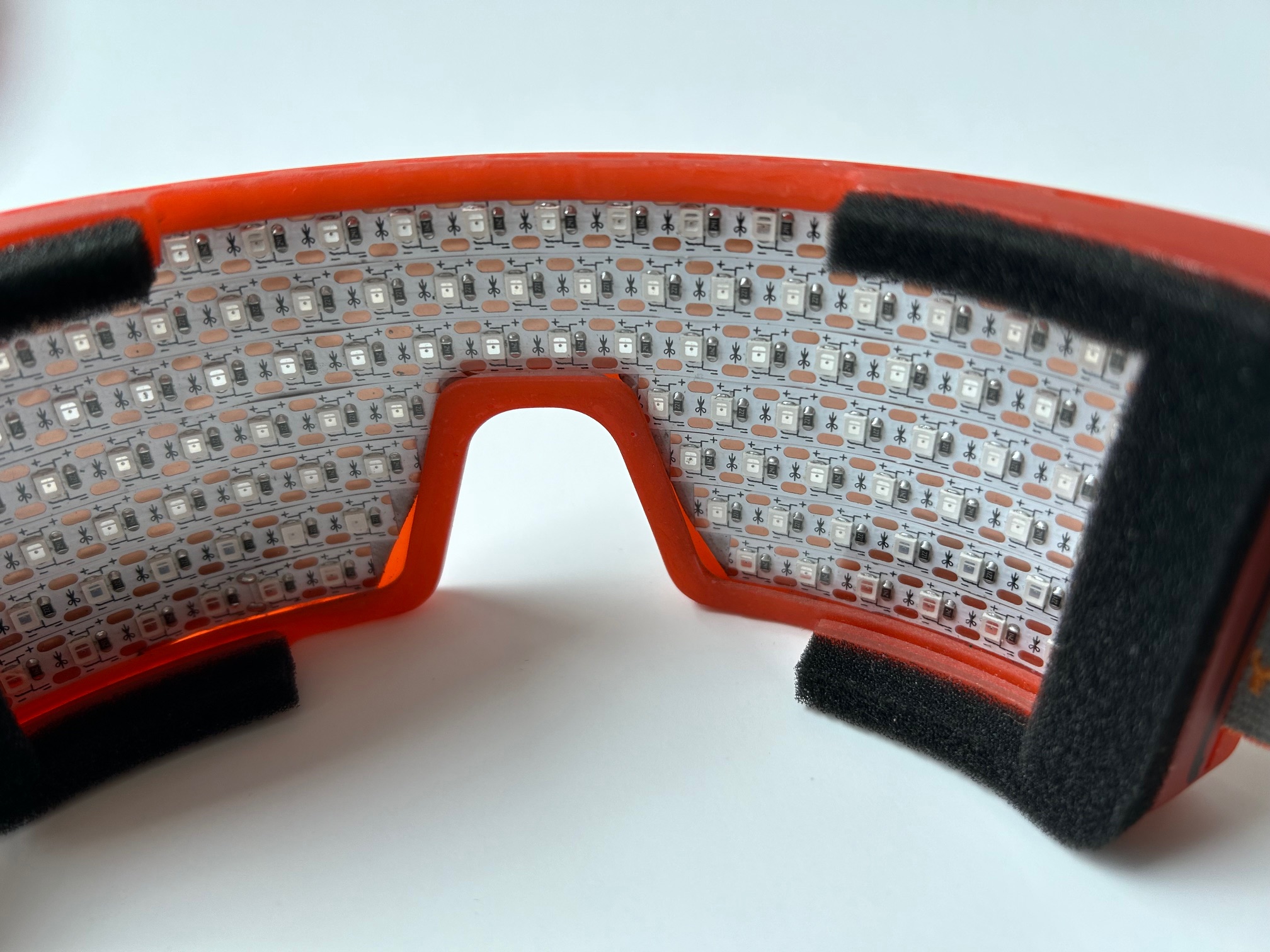
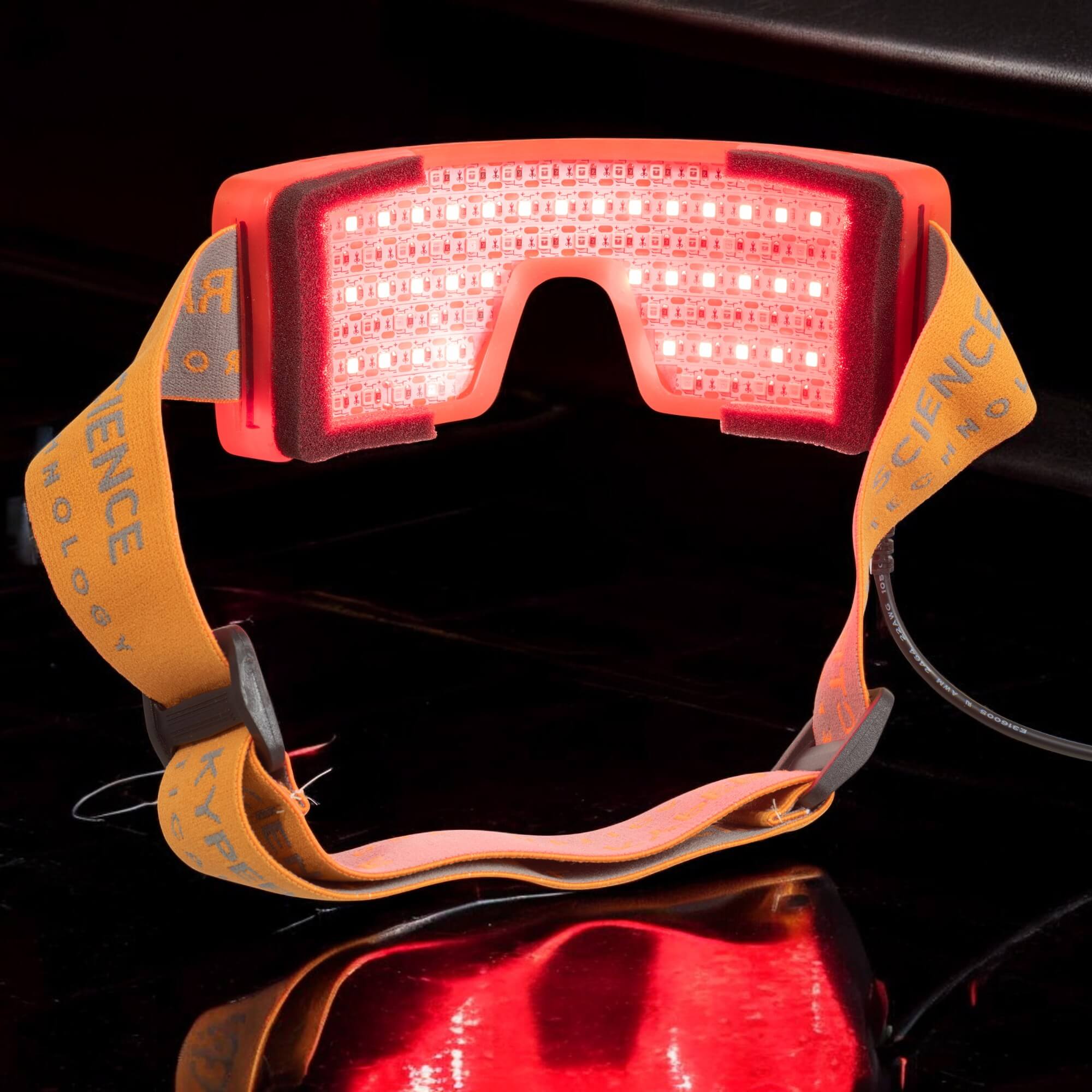
WaveFront alignment: This meta-analysis reinforces the rationale for mitochondria-targeted, non-thermal light delivery in AMD. The Spectral WaveFront uses 670 nm and 810 nm wavelengths within fluence ranges designed to support oxidative balance and retinal metabolic resilience—mechanisms reflected in the multiwavelength PBM protocols reviewed by Jackson et al.
Original Research here
Editor’s note: This review synthesizes multiwavelength PBM findings in dry AMD and helps contextualize individual clinical and mechanistic reports across the literature. Foundational mitochondrial and anti-oxidative mechanisms relevant to AMD are demonstrated in Begum 2013. Early human functional improvement with 670 nm PBM is shown in Grewal 2020, and multi-wavelength clinical benefit in AMD is explored in Merry 2017. For wavelength and energy alignment with the Spectral WaveFront's 670 nm and 810 nm parameters, see our WaveFront Evidence Alignment.